Film
Cut the city. Then let it breathe.
Vertov's montage and Ozu's pauses make a useful double bill for photographers who want their sequences to do more than shout.
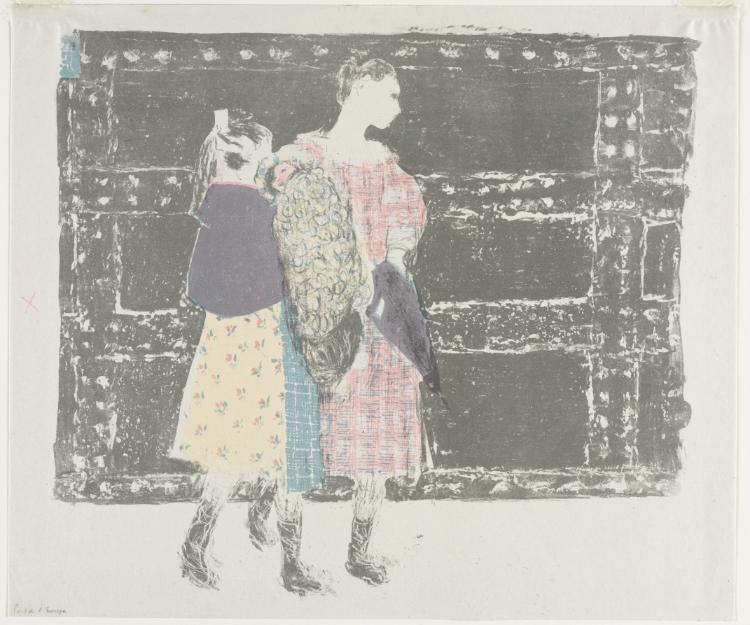
The Cleveland Museum of Art, Gift of the Hanna Fund, 1951.65.10. CC0. · CC0 · Collection record ↗
A city built in the cut
Man with a Movie Camera, released in 1929, turns urban observation into a restless experiment. The BFI credits Dziga Vertov alongside editor Elizaveta Svilova and camera operator Mikhail Kaufman: three collaborators to remember when the title tempts us to imagine a lone genius. The film combines material from several cities rather than documenting one uninterrupted walk.
For still photographers, the exciting question is what happens between pictures. A circular wheel followed by a round eye creates an echo; a crowded frame beside an empty one changes the speed of reading. Those are possible studio exercises, not claims about every cut in the film. Watch a short passage and note the actual transitions. Count what changes: scale, direction, density, motion or subject. Give the pause button a proper job.
An edit is an argument
Put a photograph of a person checking the time beside a late train and the pair seems to explain itself. But were they connected? A sequence can suggest a cause that the individual images never establish. Vertov is useful because the construction is so energetically visible: the camera and editing belong to what we are watching.
In a documentary photo essay, distinguish a real chronological account from an associative arrangement. Say when pictures come from different days or places. That does not flatten the art. It helps the reader understand what kind of proposition the art is making. Your edit may be beautifully persuasive. Persuasive is not the same thing as verified, however smart the binding looks on the coffee table.
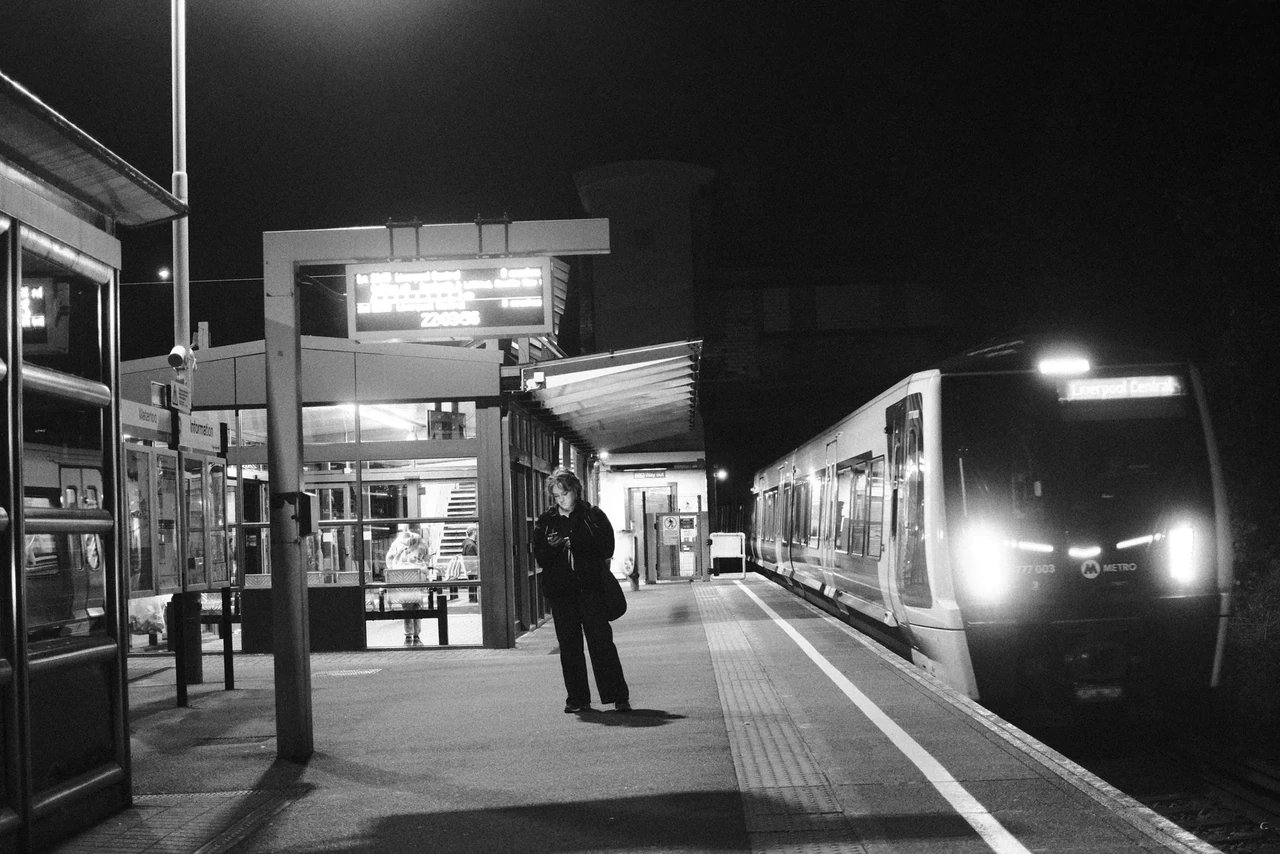
A contemporary practice example, by Mark C Grant. An editorial comparison, not a work by the artist discussed.
Ozu gives ordinary time its weight
Now change pace with Yasujiro Ozu's Tokyo Story, from 1953. The BFI's release page describes an elderly couple visiting their grown children in Tokyo. Watch how the film allows family obligation, travel and everyday space to carry its drama. The useful assignment is to notice what your attention does when the camera stops demanding a new spectacle.
In a photographic sequence, a quiet image can create that change of attention. Try a doorway, an unoccupied chair or a patch of pavement after a busy frame. Do not assume an empty space automatically means absence, grief or loneliness. Read its actual shapes and its position in the sequence. The gap may simply give the viewer time to look. That is already a respectable day's work.
Make two edits from six pictures
Vuillard's On the Pont de l'Europe is shown as an earlier image of urban structure, not a film still. Compare its broad, dark railing pattern with Mark's railway photograph. Repetition, obstruction and a route through space can hold a picture together before a story arrives. These comparisons are ours; they are not claims of documented influence on either director.
Choose six street photographs. Make one sequence that accelerates through repeated forms, closer views and increasingly crowded frames. Then rearrange the same six to slow down, leaving a quiet image near the end. Ask someone where each edit seems to breathe. If both feel identical, change an adjacency rather than adding more pictures. The solution is not always another dramatic frame. Sometimes it is letting the one you already have finish speaking.
Watch, then try
Agnès Varda: Filmmaker, photographer, Instagrammer | BFI

Listen for what carries across photography, film and a small screen. Make a five-frame account of one short walk: an opening, a detail, an encounter, a change and a departure.
Sources & further looking
- BFI: Man with a Movie Camera — film and viewing route ↗
- BFI: Tokyo Story — official trailer and viewing routes ↗
- Vuillard: On the Pont de l'Europe — Cleveland collection record ↗
Checked 22 October 2026. Visual readings and proposed connections are our editorial interpretation.
Bring another connection.
Name the work and the detail. “It has a vibe” can be the beginning; it cannot be the whole argument.
Discuss art & influence ↗