Read / Issue 01
THE JOURNAL.
Street photography, small cameras and the decisions that happen before and after the shutter.
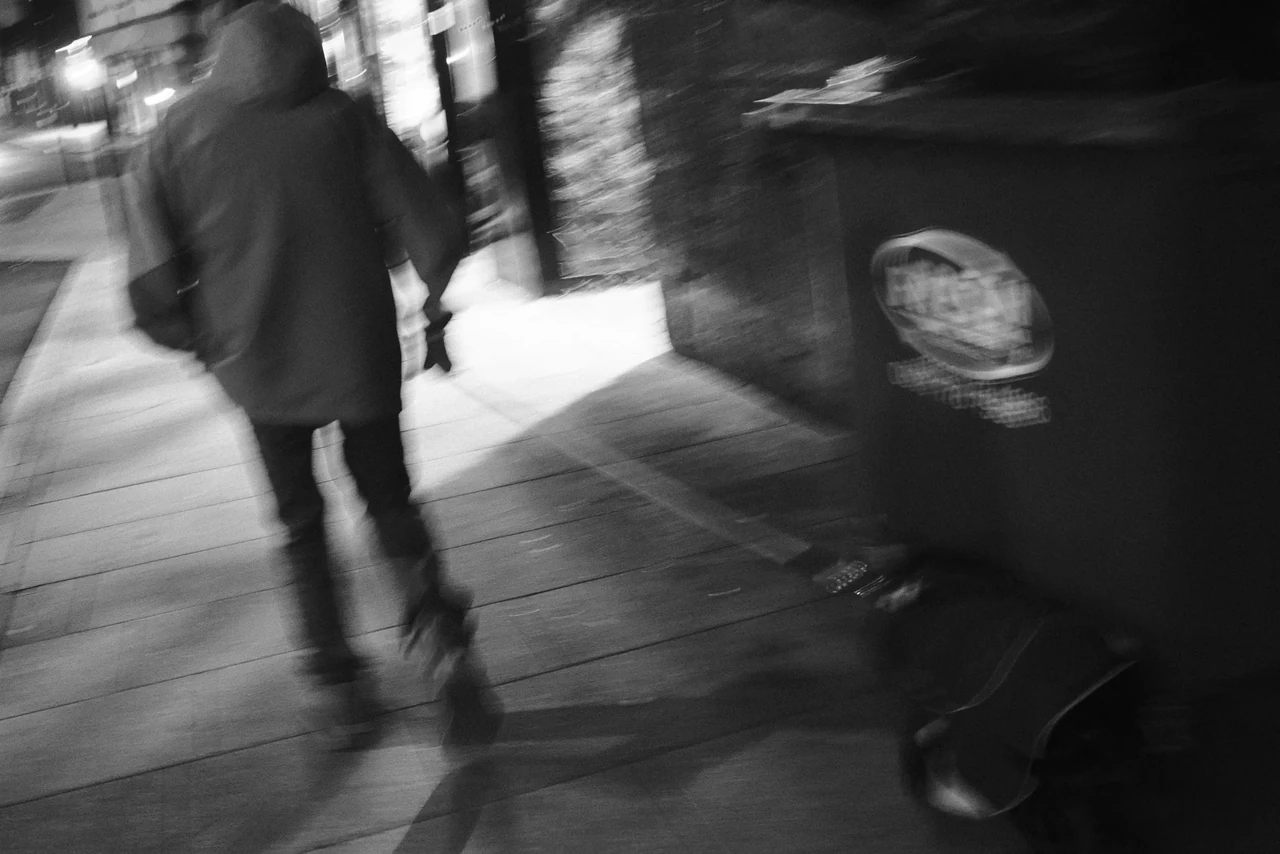
Photograph / Mark C Grant
Journal
Film simulations, in-camera JPEGs and a twelve-frame challenge. A small rebellion against correcting the life out of everything.
Read the piece ↗: 12 moments of truth. Load a look. Leave the photograph alone.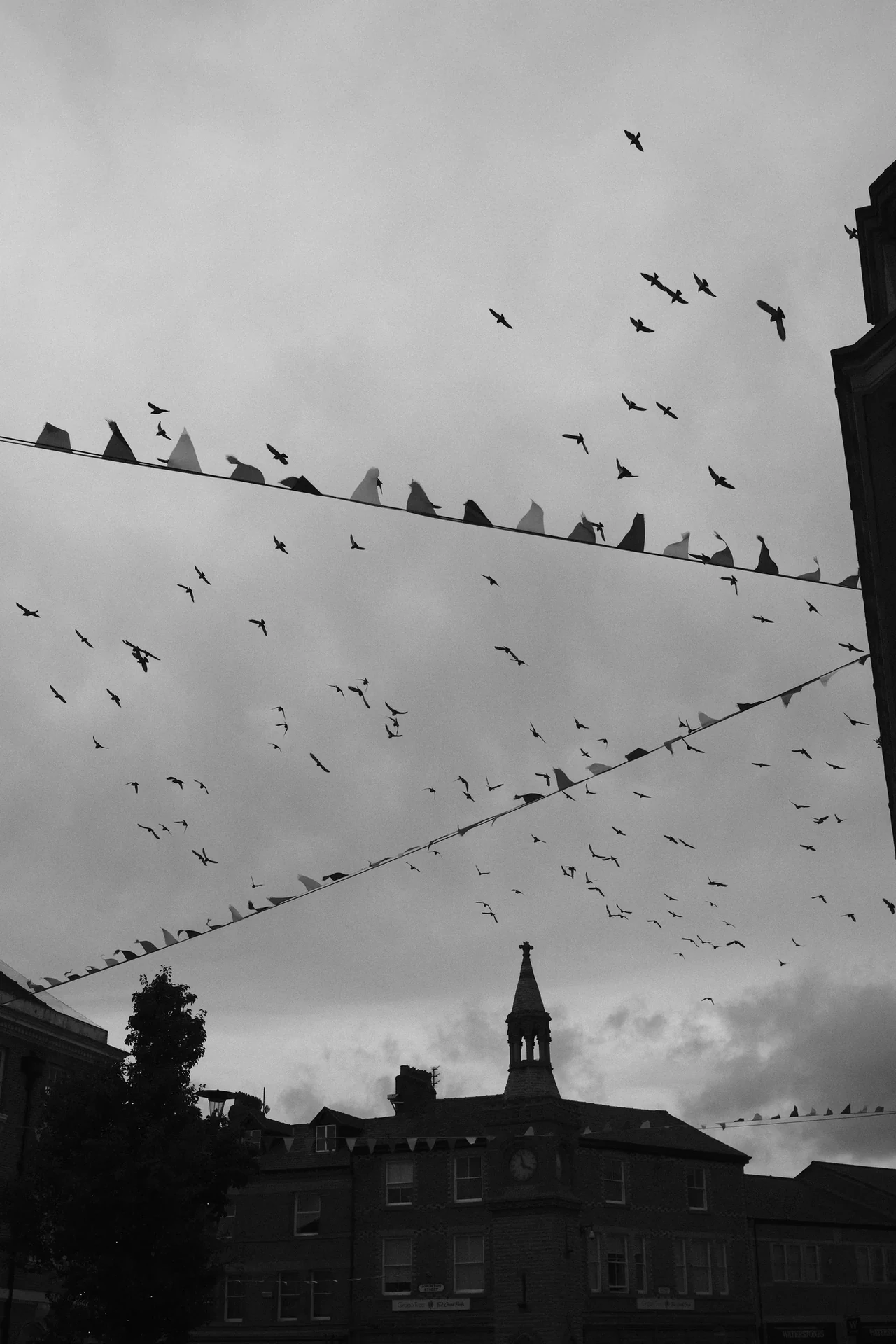
Photograph / Mark C Grant
Journal
From Mark C Grant’s paper to the street: Japanese starting points, useful accidents, active spaces and the part of a picture that belongs to its viewer.
Read the piece ↗: The art of art. Leave room for the photograph.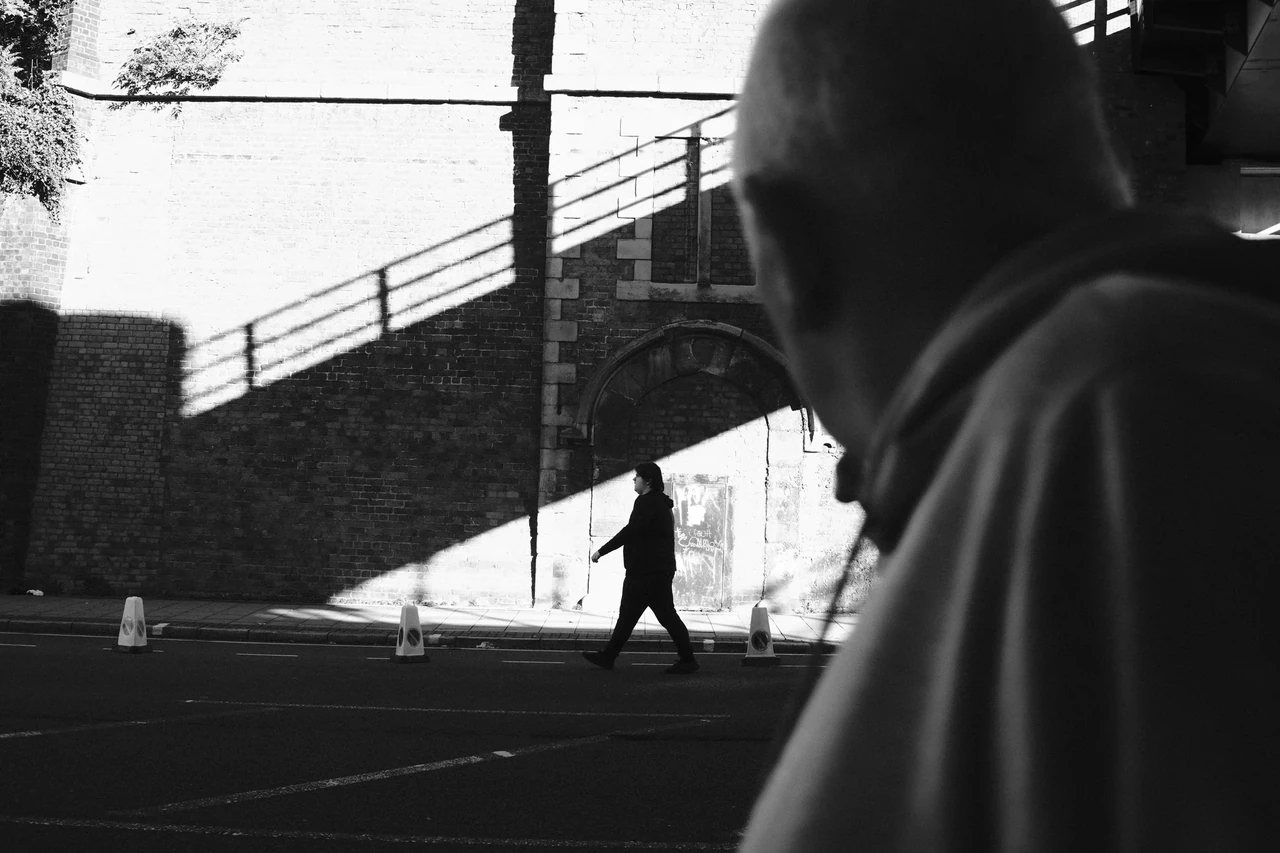
Photograph / Mark C Grant
Journal
How photographers choose, why the misses deserve to survive, and a practical edit that starts with everything you made.
Read the piece ↗: Contact sheets. The frame before the famous one.Photograph / Mark C Grant
Journal
A credited monochrome recipe, the settings behind its bite, and a twelve-frame walk that asks for more than heavy grain.
Read the piece ↗: A Moriyama-inspired Fujifilm recipe. Give the street some teeth.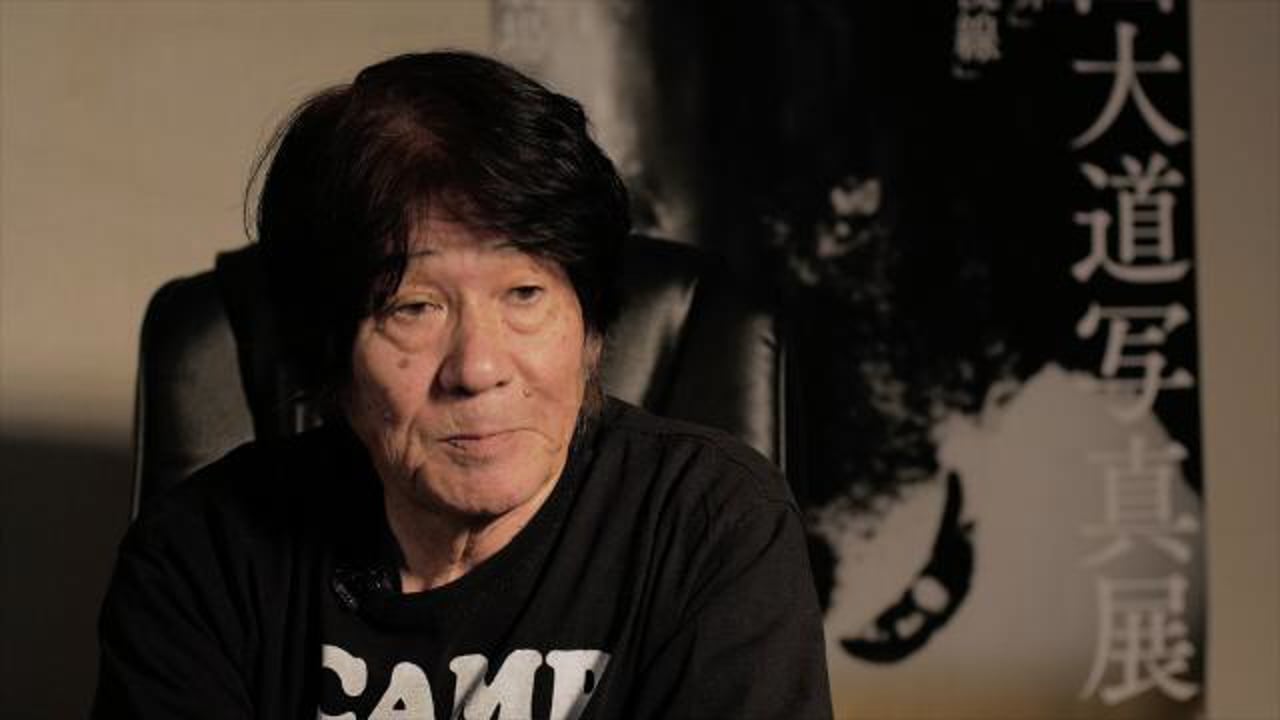
Film preview / SFMOMA
Journal
Misawa, 1971: a dog looks back. How one encounter became an alter ego, and why the picture still has teeth.
Read the piece ↗: Stray Dog. The photograph that became Moriyama.Photograph / Mark C Grant
Journal
Three magazines unsettled Japanese photography. Their questions still bite when a phone can tidy the shadows and a prompt can invent the street.
Read the piece ↗: Provoke, then and now. The picture that will not settle.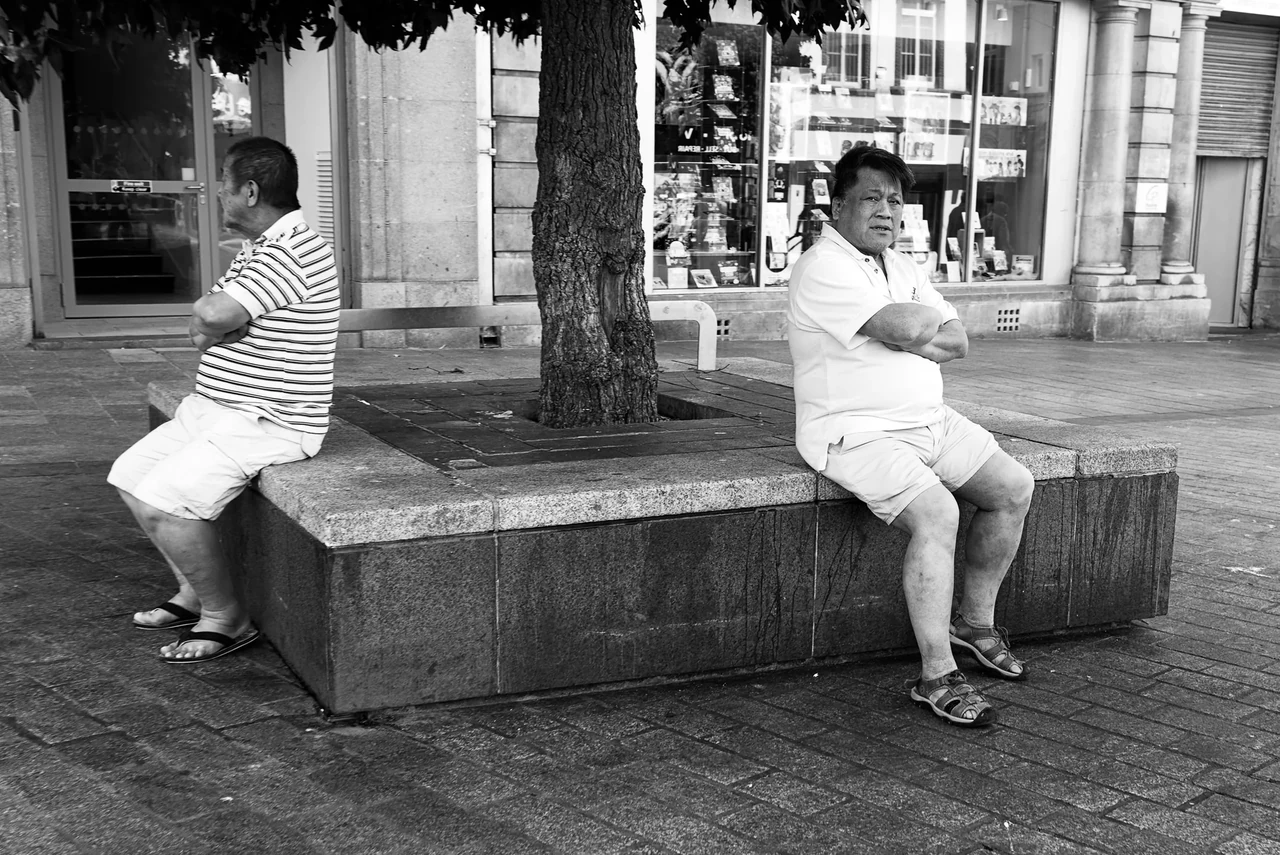
Photograph / Mark C Grant
Journal
The street is a shared place, full of moments we cannot order. Photography gives us a way to pay attention—and a responsibility for what we make of people.
Read the piece ↗: Someone was there. Street photography in the age of AI.Photograph / Mark C Grant
Fieldcraft
Three photographs, three ways the edge changes what the centre means.
Read the piece ↗: Read the edges. The middle can wait.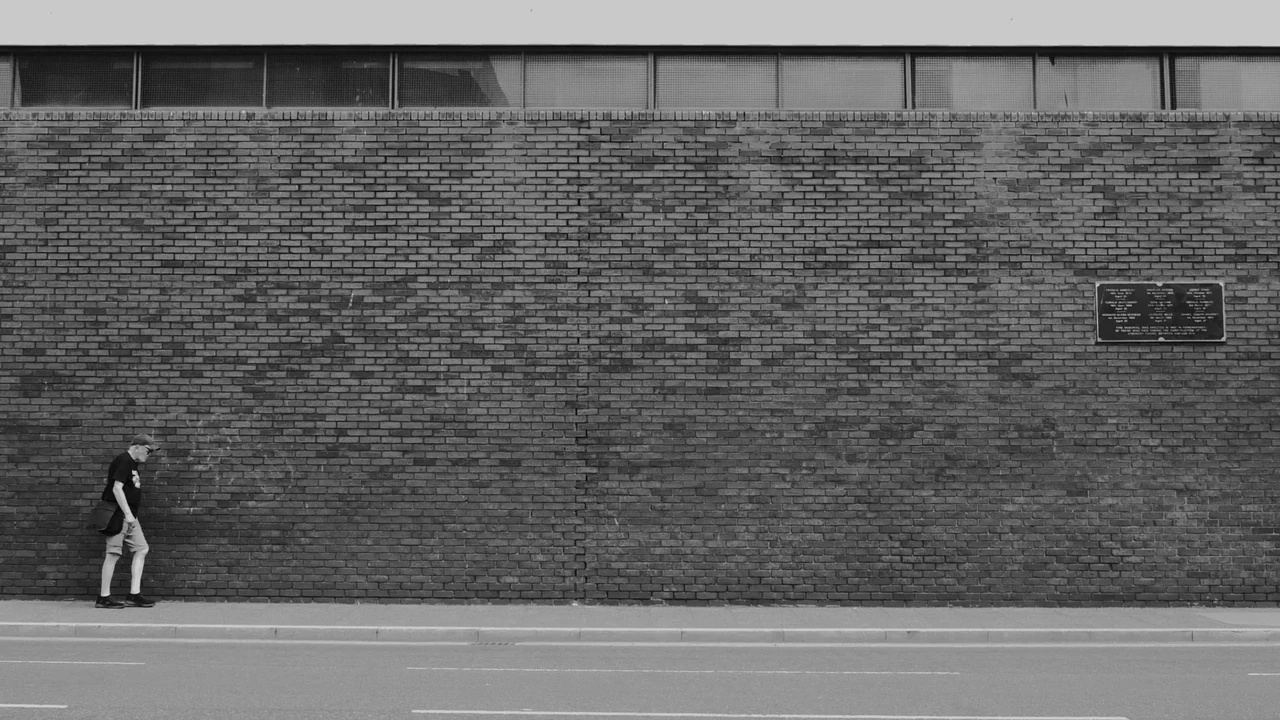
Photograph / Mark C Grant
Journal
An editorial sequence from Mark’s archive: distance, passage, interruption, waiting, clutter and light.
Read the piece ↗: A city in six frames. No skyline required.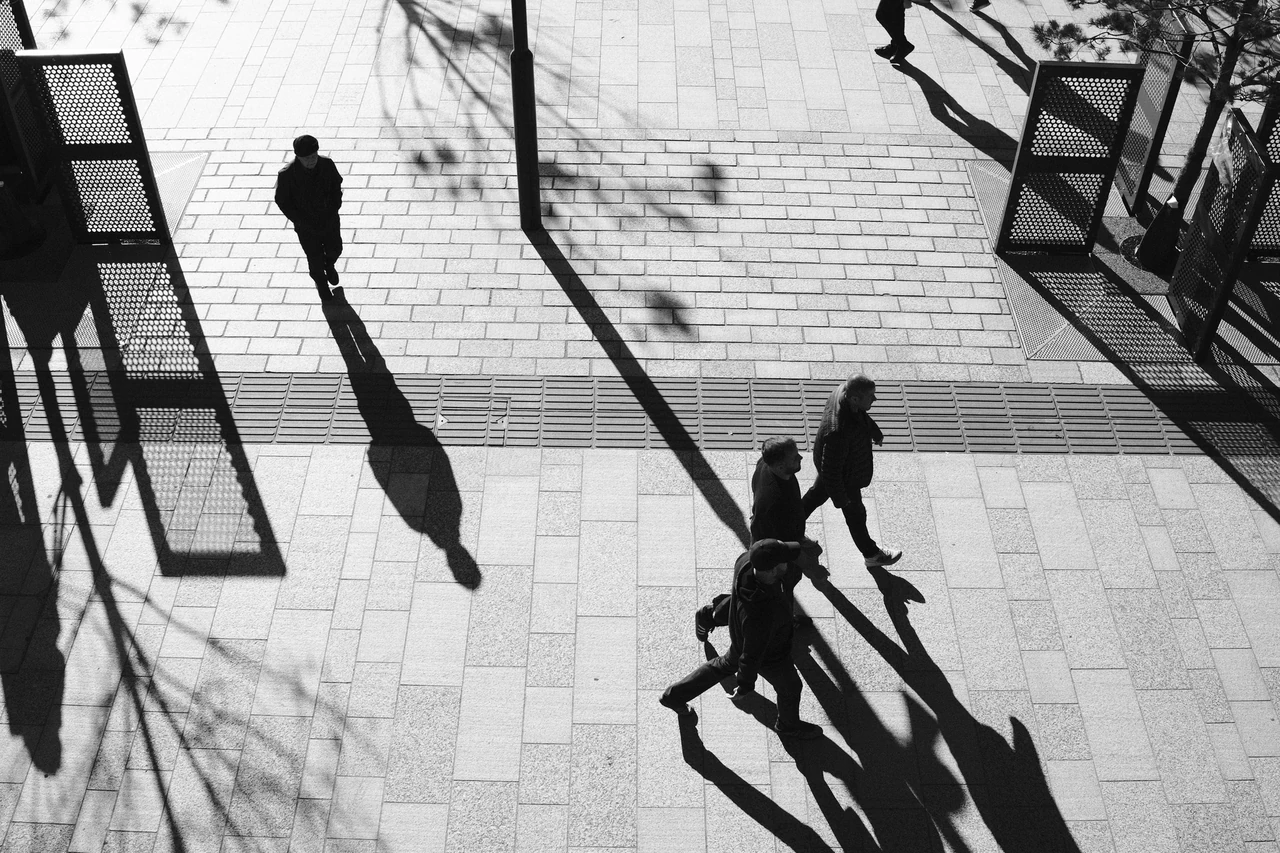
Photograph / Mark C Grant
Journal
It can extend a person, draw a direction or turn the pavement into a pattern. Look at which job it is doing.
Read the piece ↗: The shadow is doing a second shift.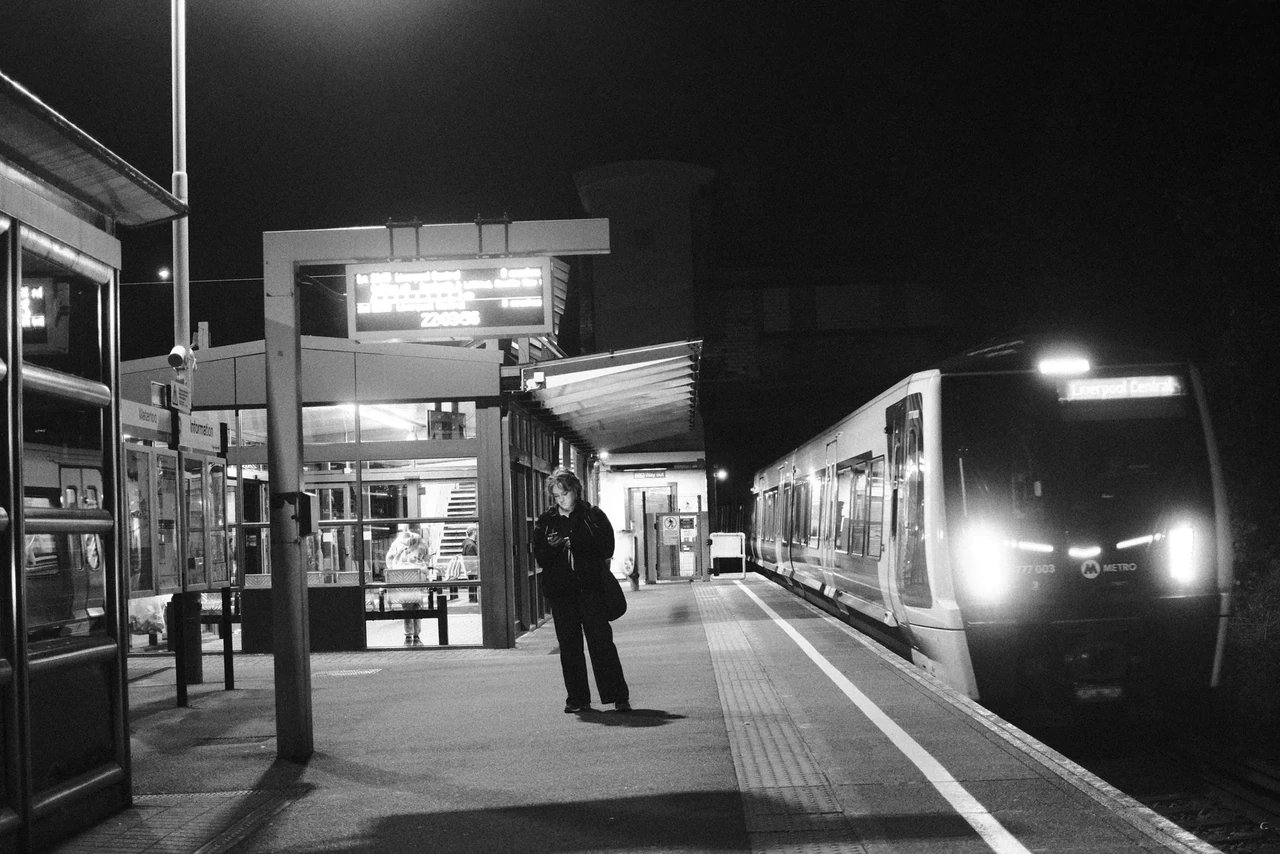
Photograph / Mark C Grant
Journal
Counters, platforms and arriving headlights: three frames about where light stops.
Read the piece ↗: After dark. Leave some of it dark.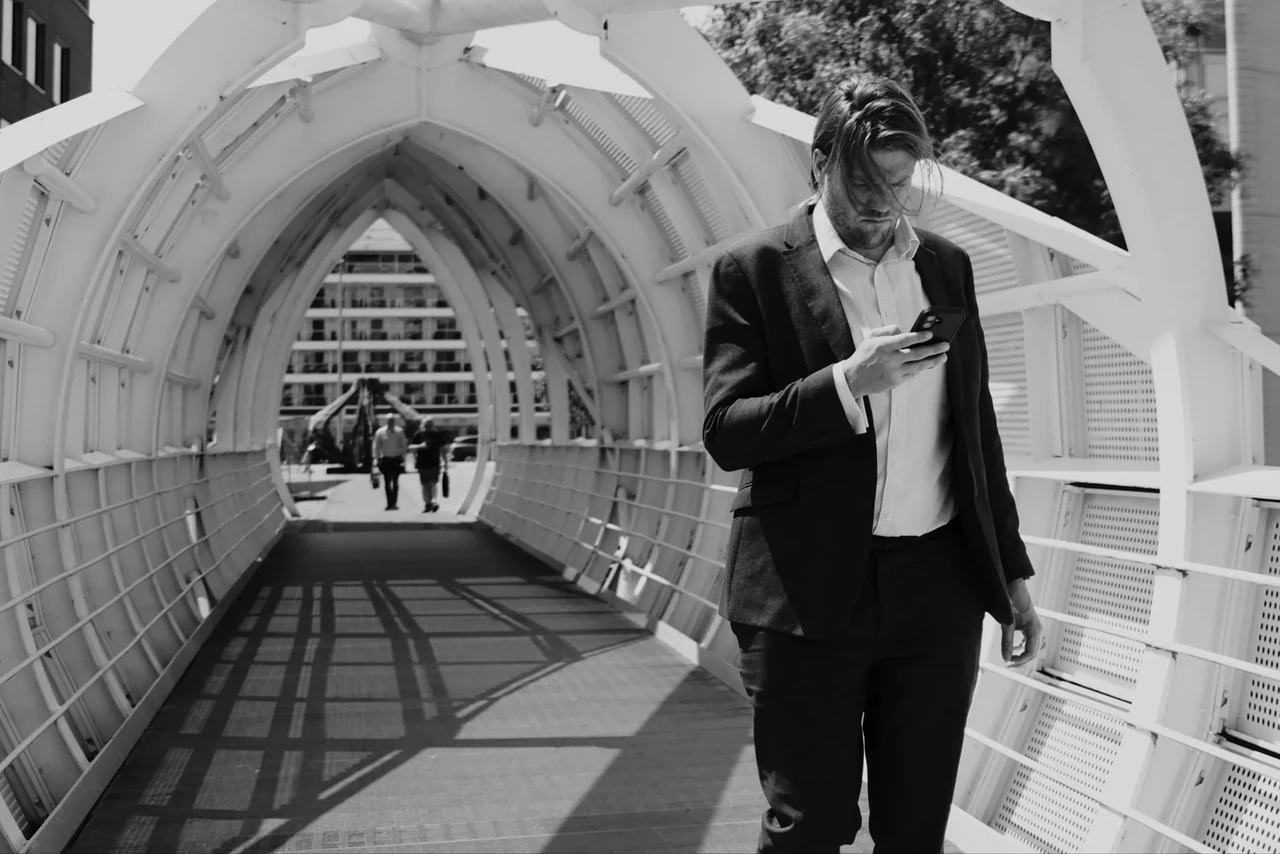
Photograph / Mark C Grant
Rangefinder school
Learn what the window tells you, what it leaves out, and why the edge deserves a look.
Read the piece ↗: 01. See through the finder.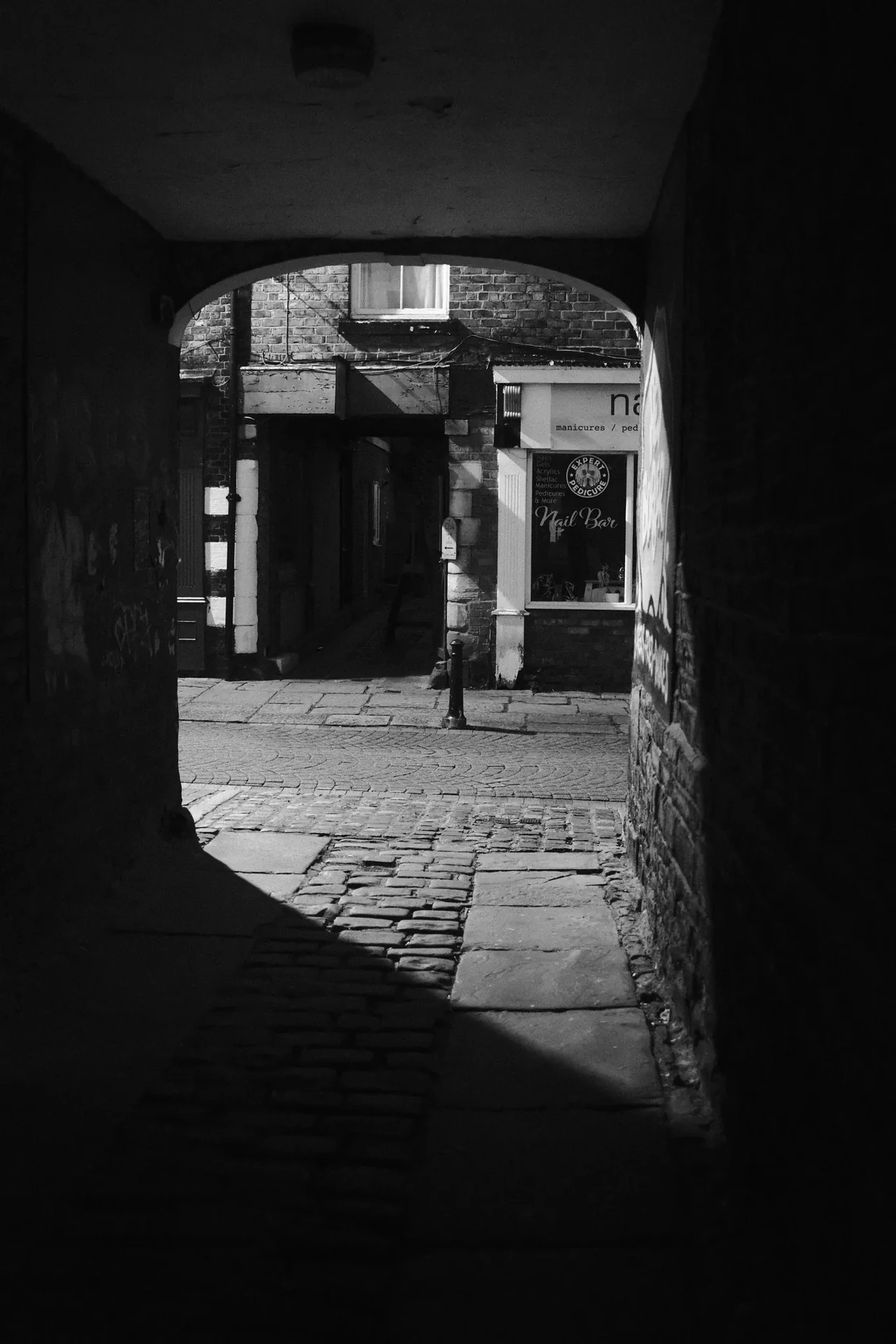
Photograph / Mark C Grant
Rangefinder school
Practise focus slowly, then remove the panic. Speed comes from familiarity.
Read the piece ↗: 02. Make the patch agree.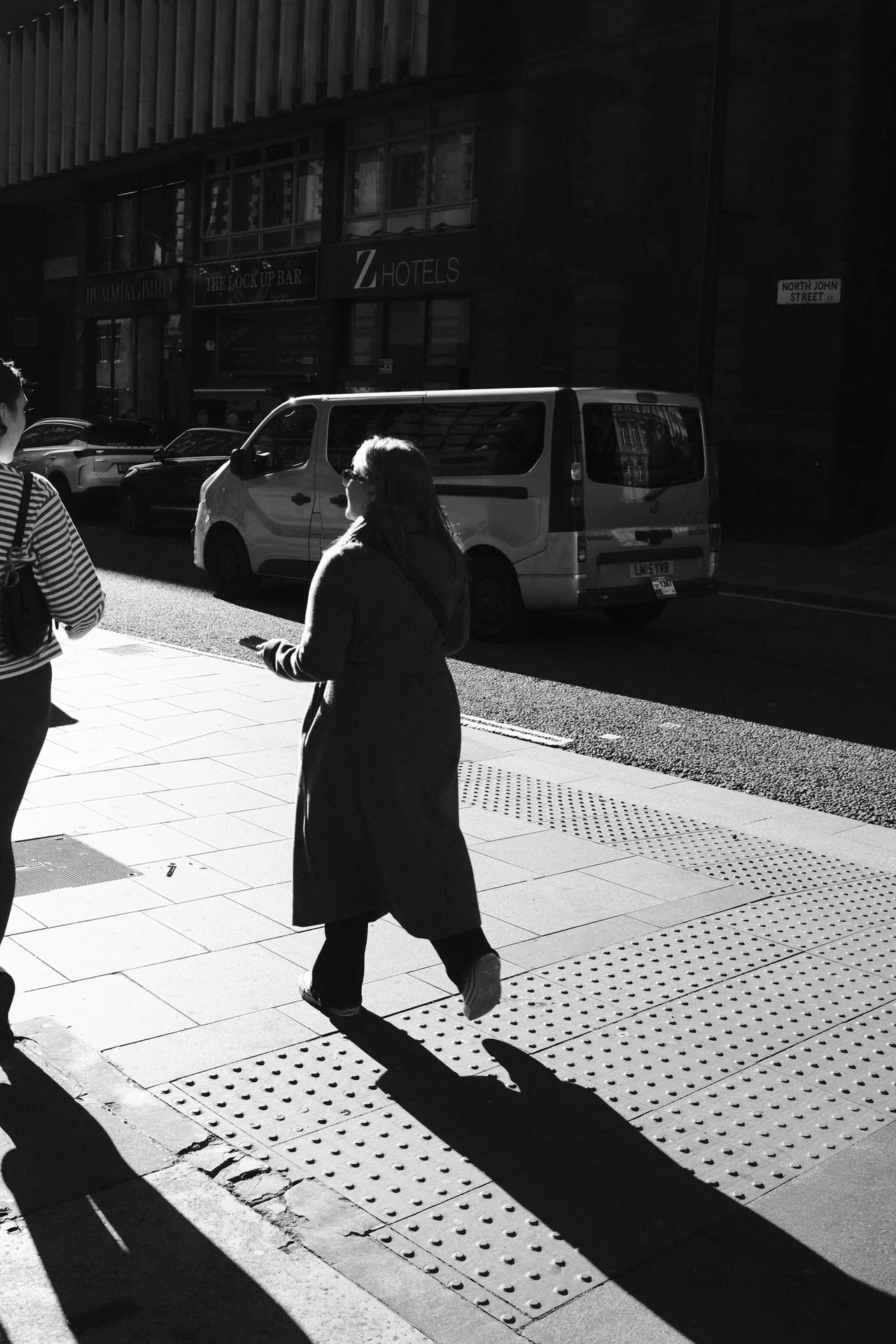
Photograph / Mark C Grant
Rangefinder school
Pre-focus on a distance you understand. f/8 is a setting, not a protective charm.
Read the piece ↗: 03. Build a useful zone.Photograph / Mark C Grant
Rangefinder school
Choose what needs to stay still, what can move, and how much darkness the picture needs.
Read the piece ↗: 04. Give movement a shutter speed.Photograph / Mark C Grant
Rangefinder school
Distance changes relationships. A different lens cannot make every decision for you.
Read the piece ↗: 05. Put your feet into the composition.Photograph / Mark C Grant
Rangefinder school
The street is shared space. Confidence is ordinary behaviour, not an invisibility trick.
Read the piece ↗: 06. Be a person with a camera.Photograph / Mark C Grant
Rangefinder school
Light, separation and restraint. The contrast slider cannot supply a missing idea.
Read the piece ↗: 07. Make black and white mean something.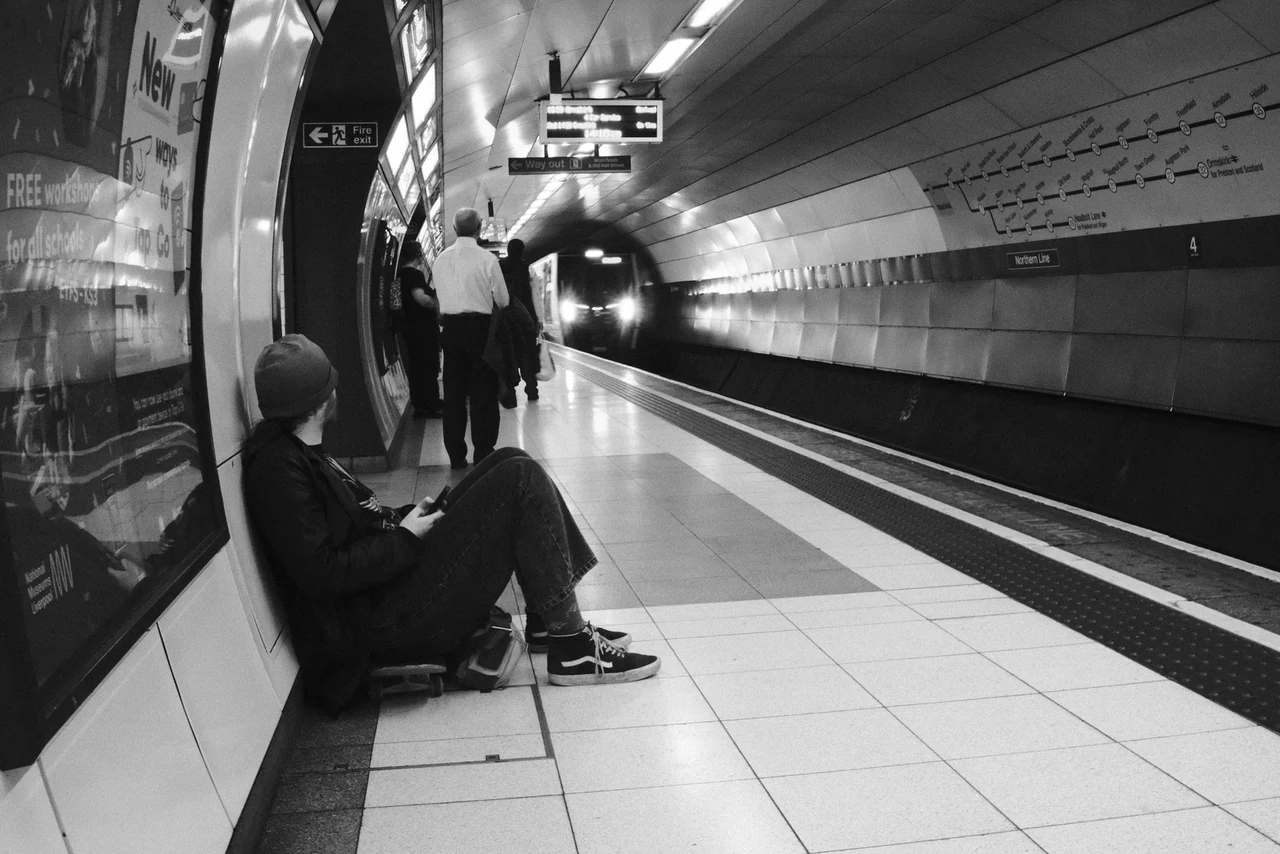
Photograph / Mark C Grant
Rangefinder school
The final assignment: one route, thirty-six frames, six photographs that belong together.
Read the piece ↗: 08. Bring back a small story.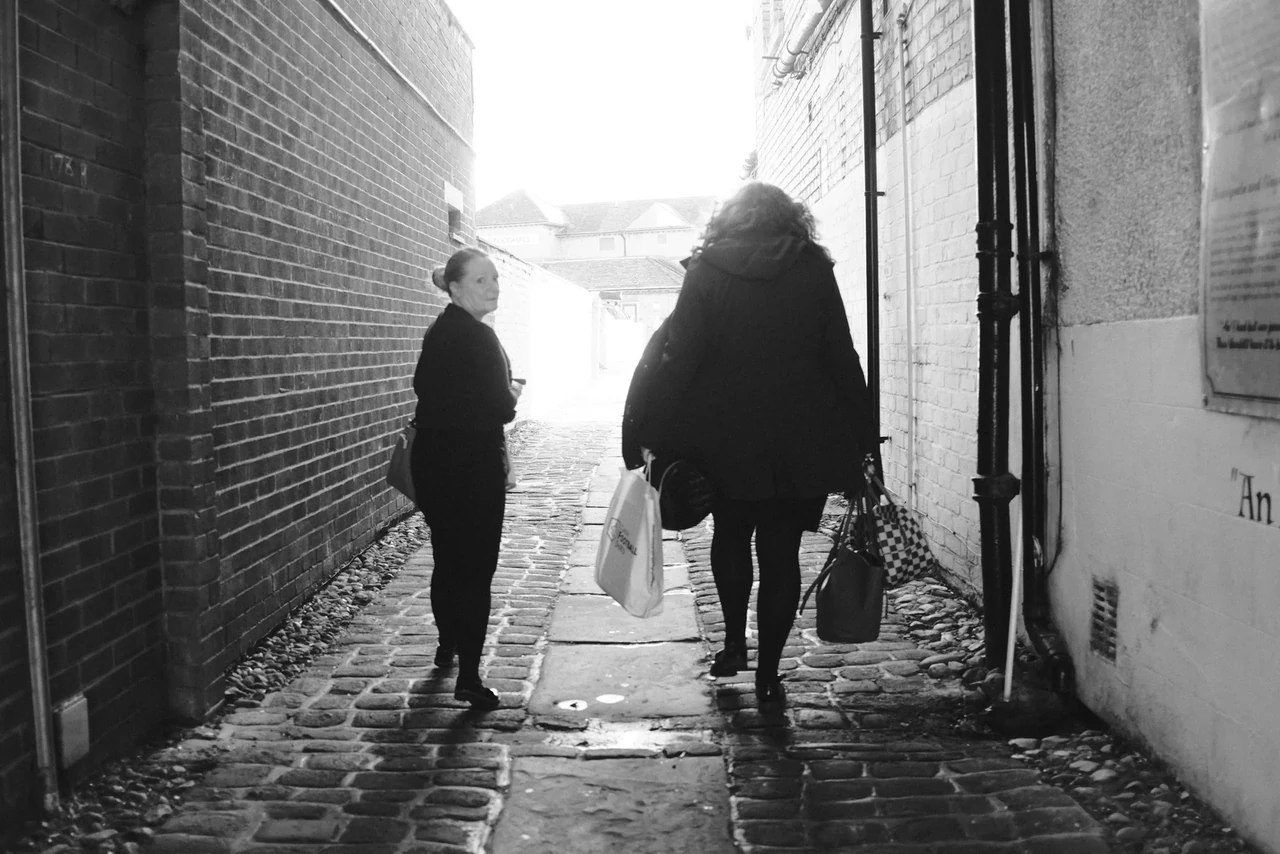
Photograph / Mark C Grant
Fieldcraft
You cannot make yourself invisible. You can stop behaving like you are stealing the pavement.
Read the piece ↗: Street photography without the shifty routine.Photograph / Mark C Grant
Fieldcraft
The patch, the frame lines, the compromises—and why an X100 is related without being the same thing.
Read the piece ↗: A rangefinder is a tool. Not a personality.Photograph / Mark C Grant
Fieldcraft
Pick a working distance, understand the margin, and stop treating f/8 as a spell.
Read the piece ↗: Zone focus. No mysticism required.Photograph / Mark C Grant
Fieldcraft
Removing colour does not automatically add meaning. Annoying, but there we are.
Read the piece ↗: Black and white starts before the slider.Photograph / Mark C Grant
Journal
A photograph can cost you an afternoon and still not earn a place in the sequence.
Read the piece ↗: The contact sheet does not care about your favourite.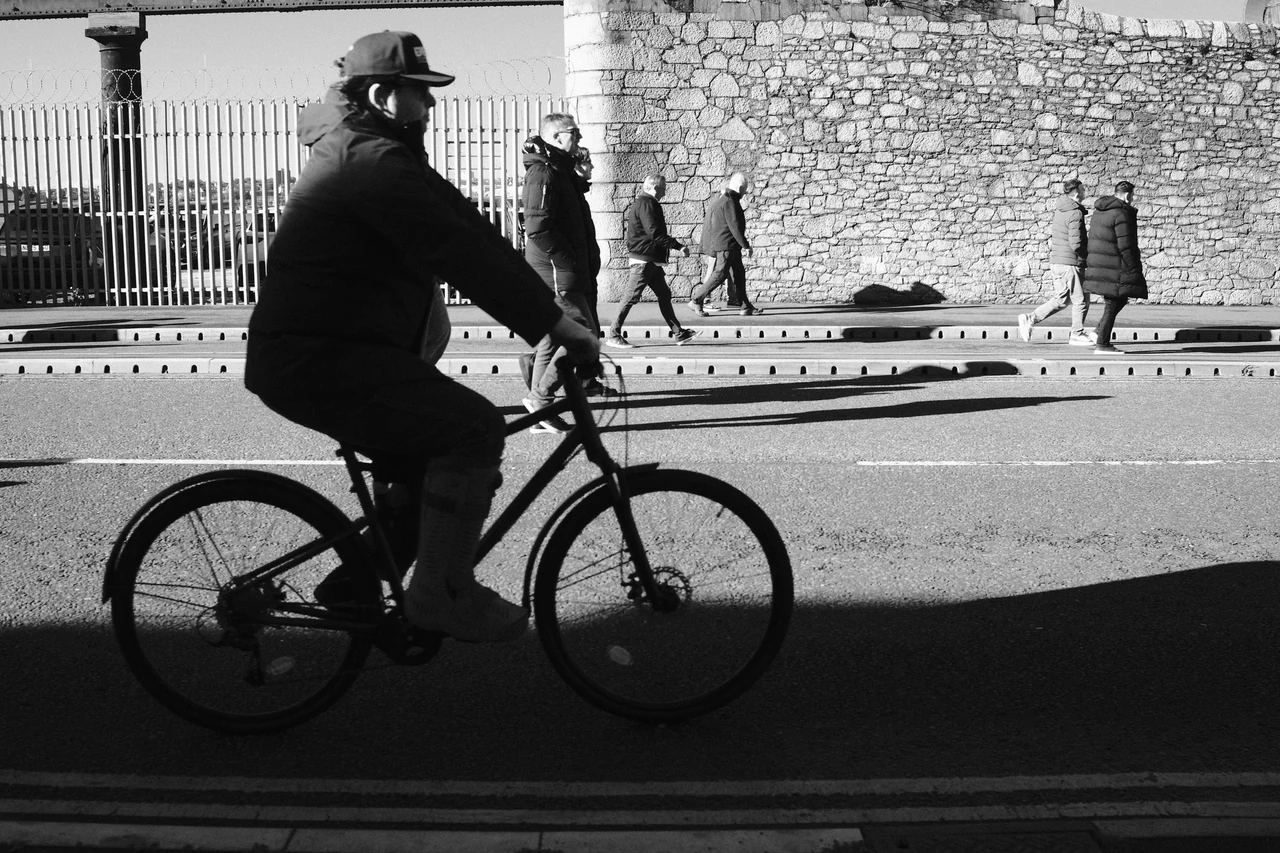
Photograph / Mark C Grant
Journal
The waterfront is allowed in. It just does not have to do all the work.
Read the piece ↗: Liverpool without the postcard.Photograph / Mark C Grant
Fieldcraft
A missed frame and an expressive frame can look similar. The difference has to survive the explanation.
Read the piece ↗: Blur with a reason. Not an alibi.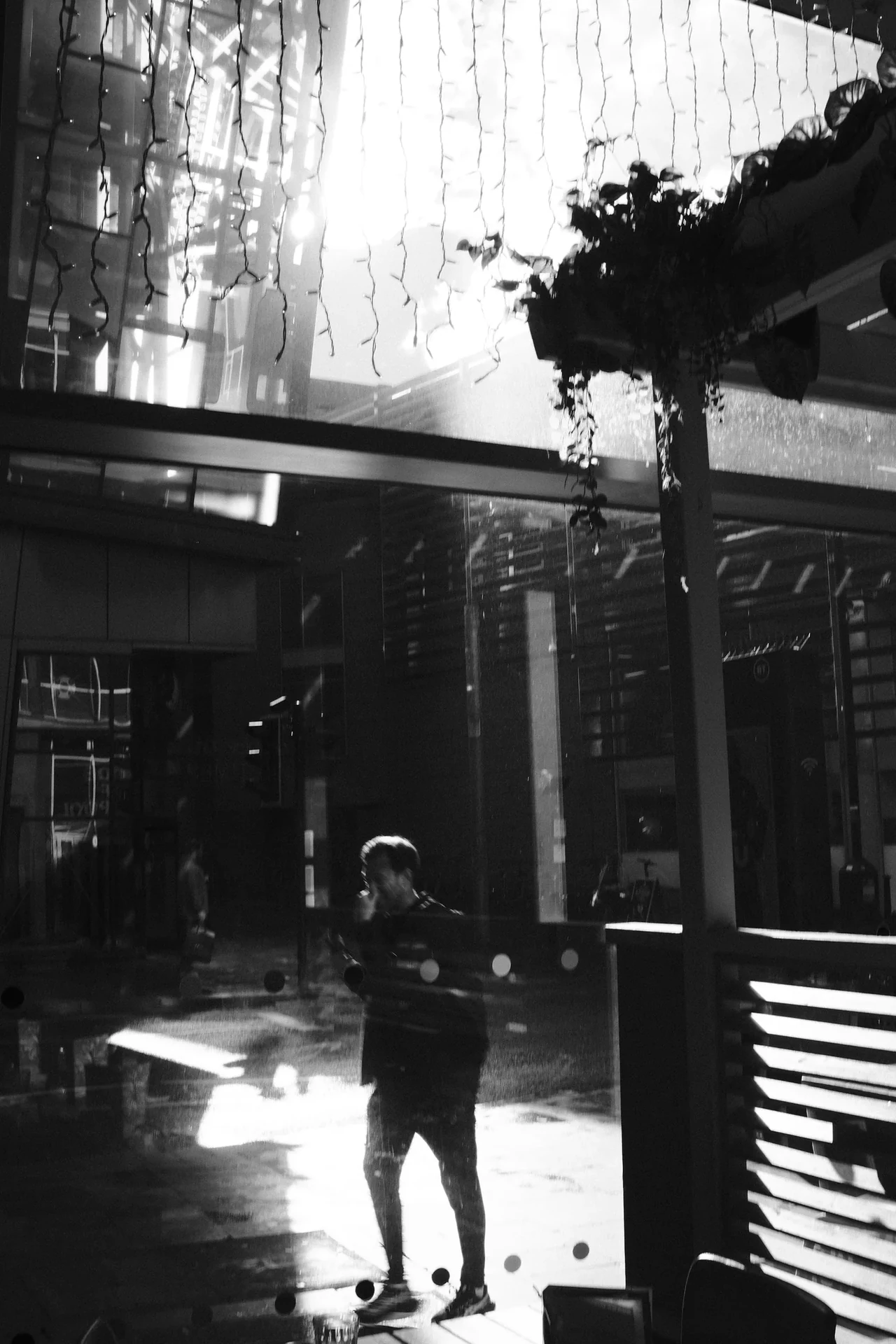
Photograph / Mark C Grant
Fieldcraft
A small assignment for anyone who has researched their next camera more thoroughly than their own street.
Read the piece ↗: One lens. Thirty-six frames. Go outside.
Film preview / Tate
Photographers
Fragments, proximity and a restless eye. Start with the looking; the grain can wait.
Read the piece ↗: Daido Moriyama: the pavement does not care what your camera cost.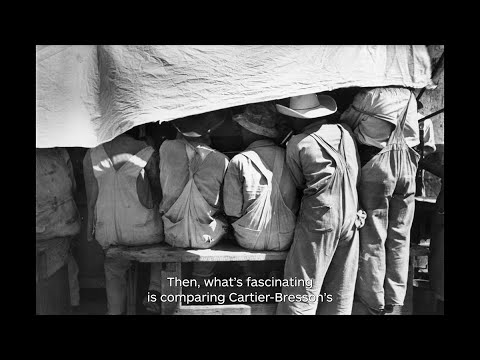
Film preview / Fondation Henri Cartier-Bresson
Photographers
Timing gets the headlines. Geometry was already at work.
Read the piece ↗: Cartier-Bresson: the background is doing half the shift.Film preview / Fondation Henri Cartier-Bresson
Photographers
Small gestures, second characters and the theatre you do not need to direct.
Read the piece ↗: Helen Levitt: ordinary life is already performing.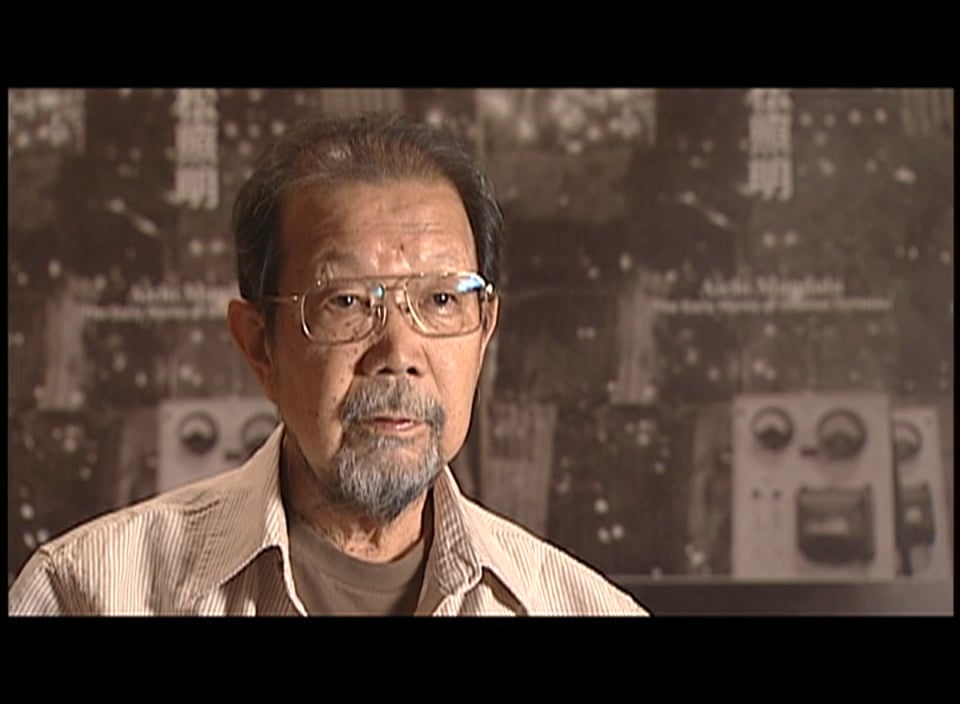
Film preview / SFMOMA
Photographers
Objects, surfaces and the history that a quick glance can flatten into texture.
Read the piece ↗: Shomei Tomatsu: the street has a memory.No matches. Try a photographer, a technique or a shorter phrase.