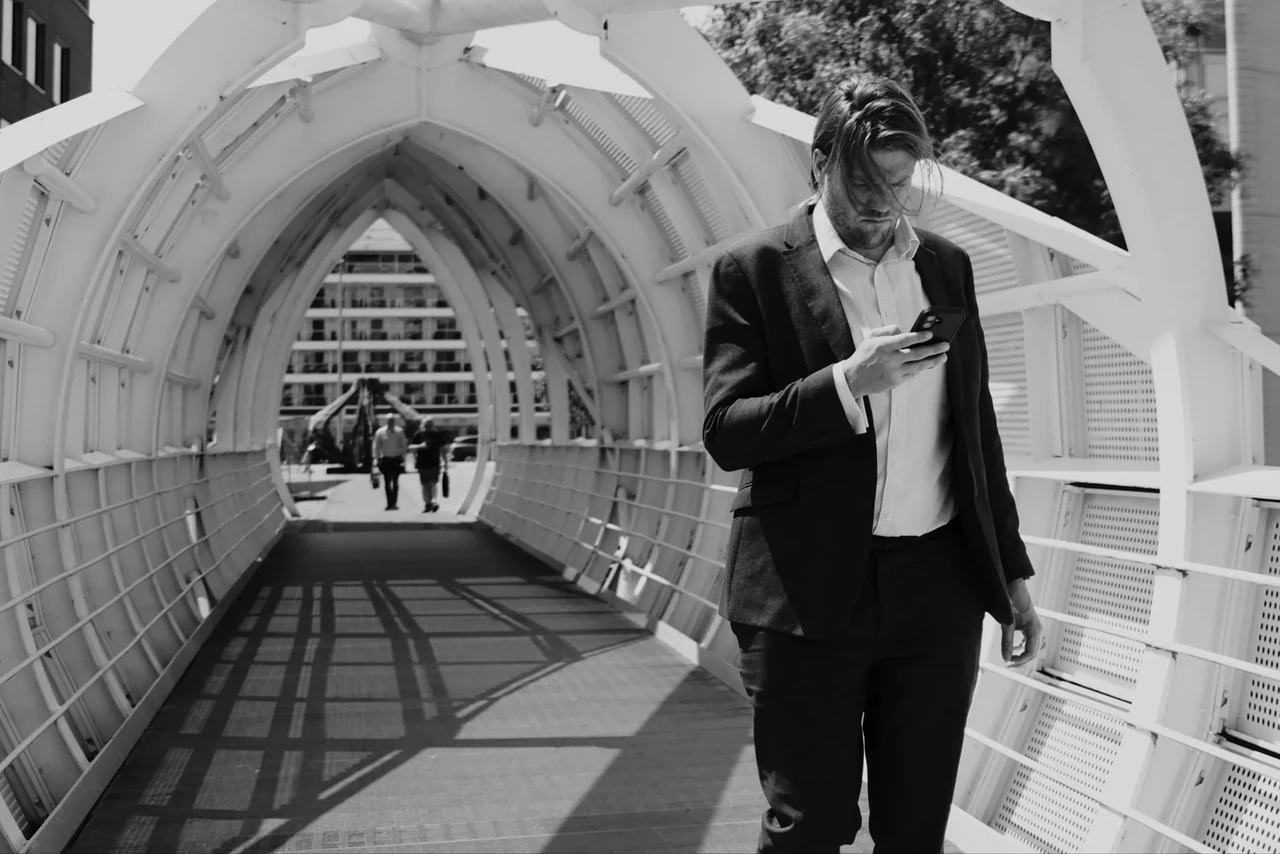
Photograph / Mark C Grant
Lesson 01 / 30 minutes at home + a short walk
See through the finder.
Frame deliberately with an optical finder and recognise its limits.
Open lesson 01 ↗Eight lessons / Free, self-guided
Learn the mechanism. Build your eye. Bring back a small story.
One camera, one lens and somewhere you can walk. Start at lesson one or pick the skill you need. Optical rangefinders are our focus; the photographic exercises work with other cameras too.
Start lesson 01 ↗How to use the school
Take one lesson per walk or per week. Read the examples, watch the selected film, then do the assignment. Use the review questions before moving on. The final project is six photographs with a deliberate order and factual captions.
Bring what you have
A charged camera or loaded film camera, a lens you know, and a way to take notes. Use your camera’s manual for its controls. You do not need to buy a Leica. Manufacturer and retailer films are selected for the teaching, not as shopping advice.
Download the eight-lesson fieldbook ↓Photograph / Mark C Grant
Lesson 01 / 30 minutes at home + a short walk
Frame deliberately with an optical finder and recognise its limits.
Open lesson 01 ↗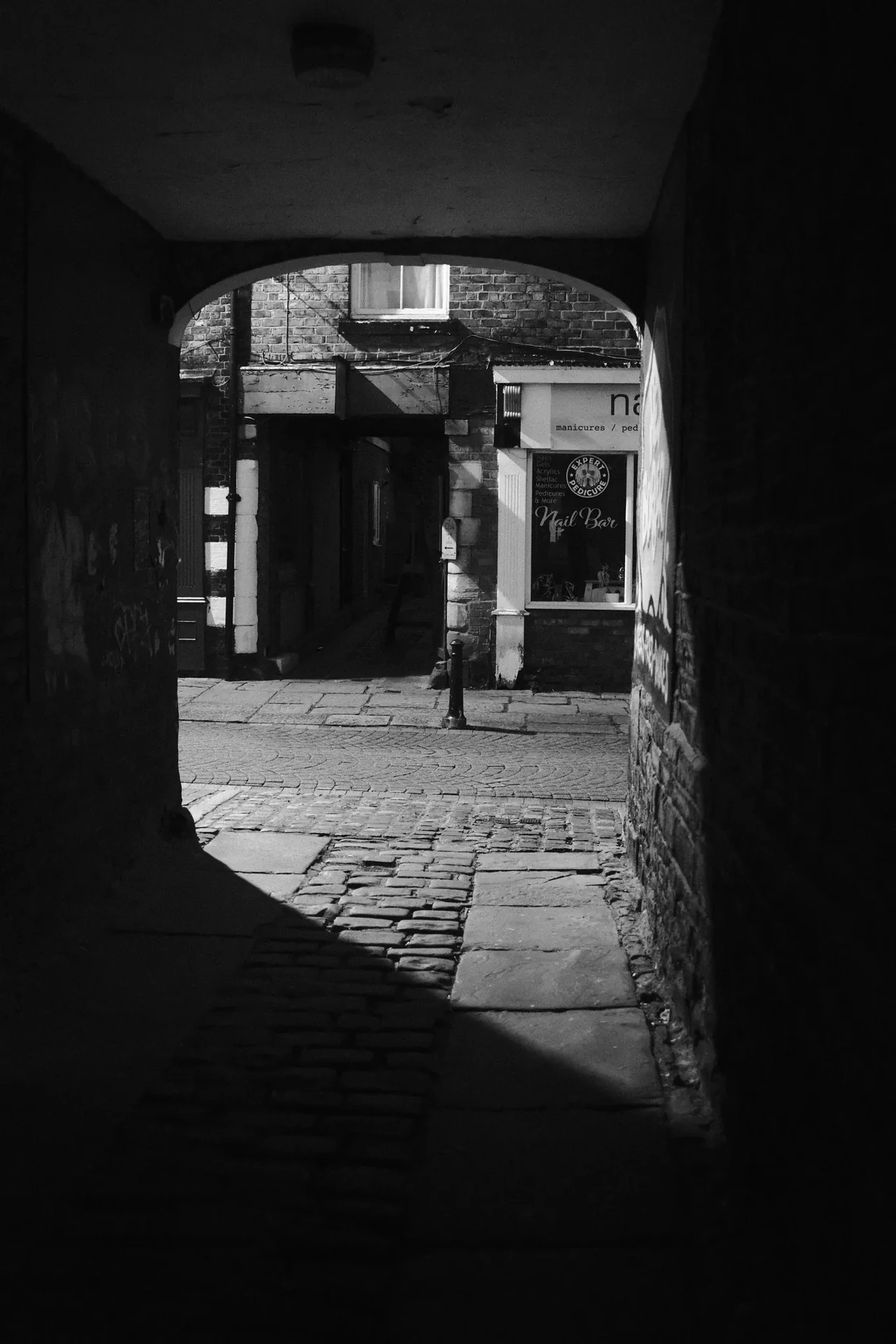
Photograph / Mark C Grant
Lesson 02 / Three 15-minute sessions
Acquire focus reliably and distinguish focusing errors from movement.
Open lesson 02 ↗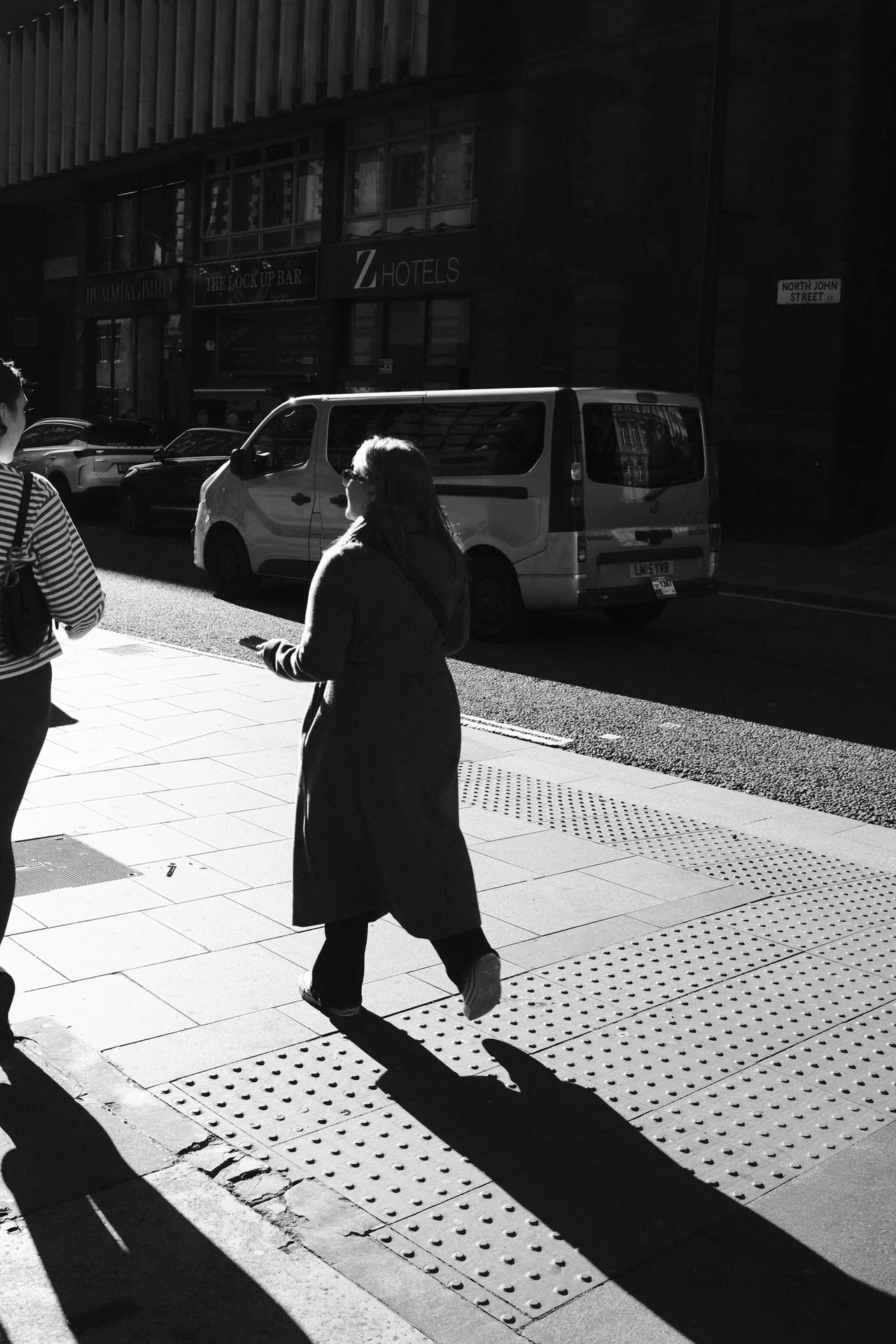
Photograph / Mark C Grant
Lesson 03 / 45-minute distance practice
Choose and test a focus zone for your intended output.
Open lesson 03 ↗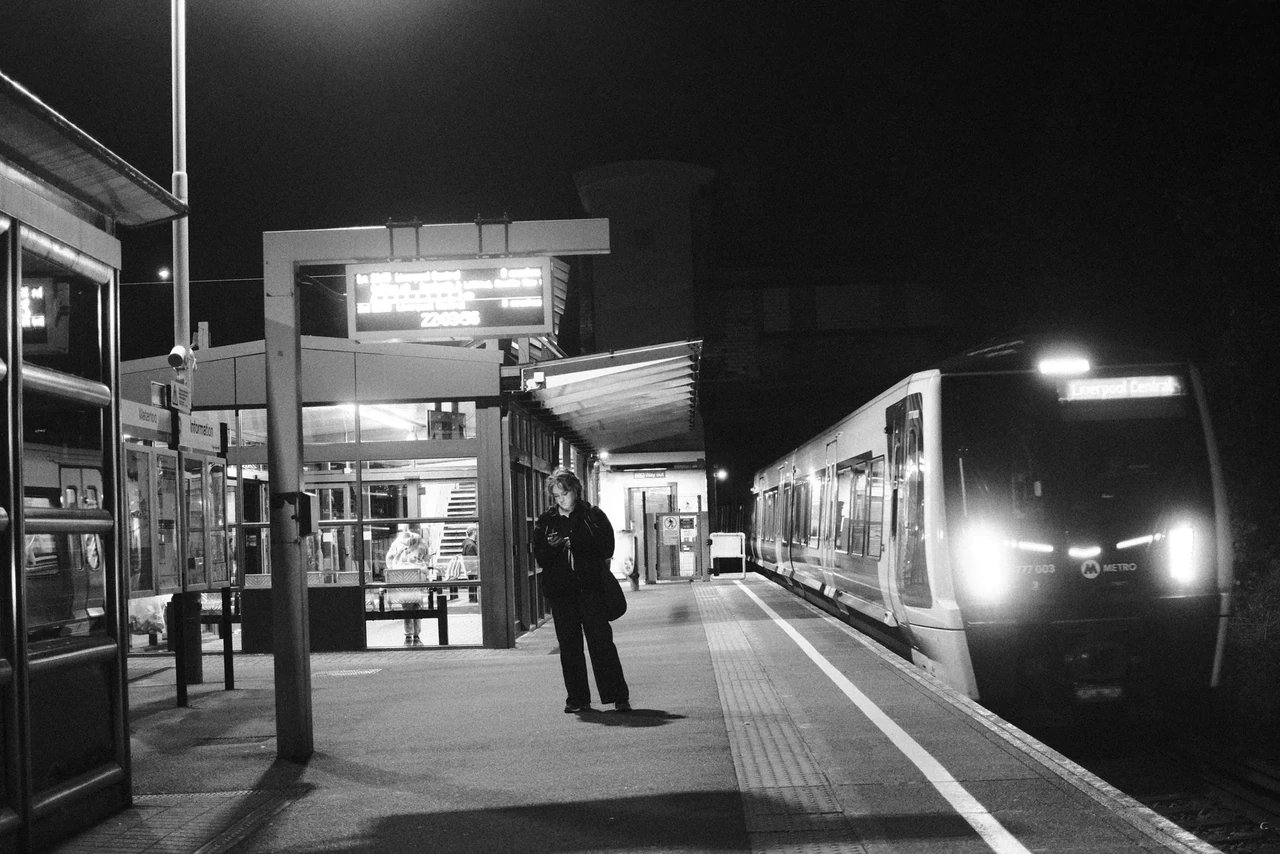
Photograph / Mark C Grant
Lesson 04 / One daylight walk + one dusk session
Make deliberate trade-offs between motion, depth and noise.
Open lesson 04 ↗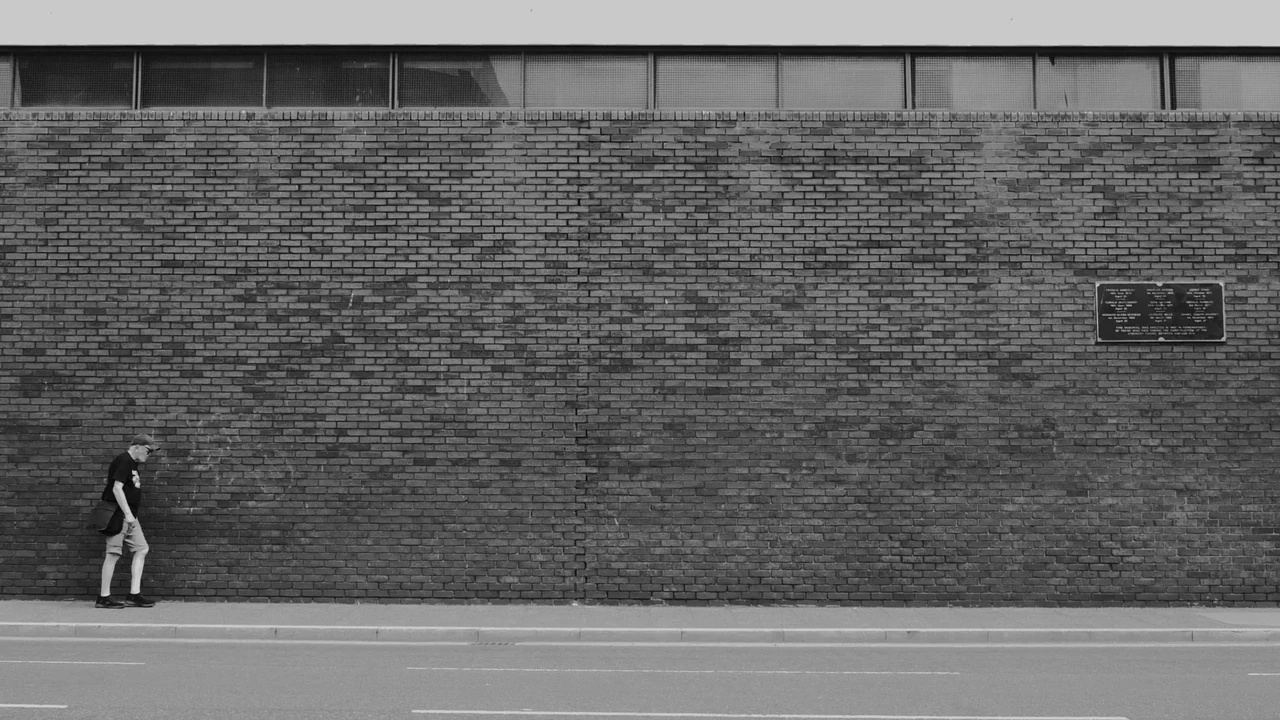
Photograph / Mark C Grant
Lesson 05 / One location, 45 minutes
Control subject scale, background relationships and the edges.
Open lesson 05 ↗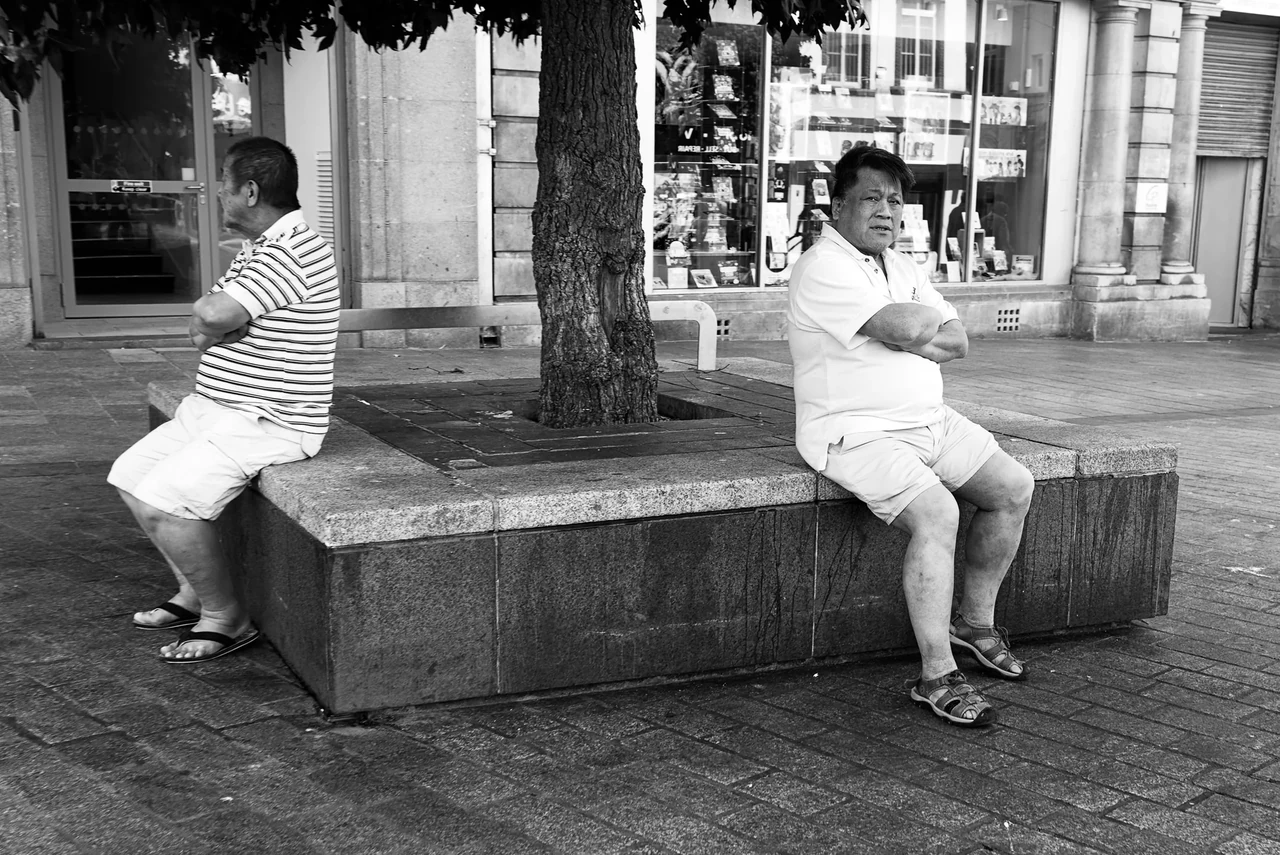
Photograph / Mark C Grant
Lesson 06 / Two short walks, with a conversation if welcomed
Work calmly, respect people and caption only what you know.
Open lesson 06 ↗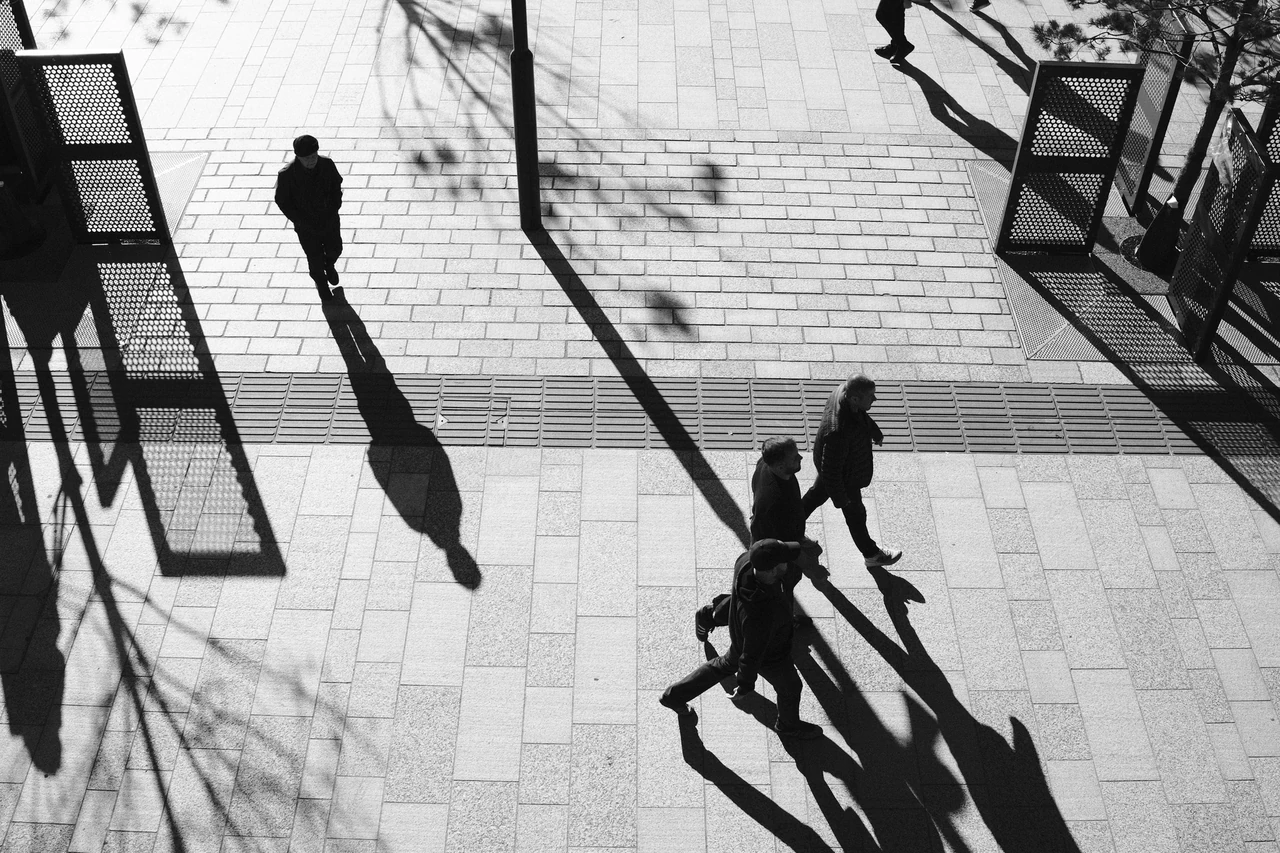
Photograph / Mark C Grant
Lesson 07 / One walk + a 45-minute edit
See tonal relationships and make a coherent, honest monochrome edit.
Open lesson 07 ↗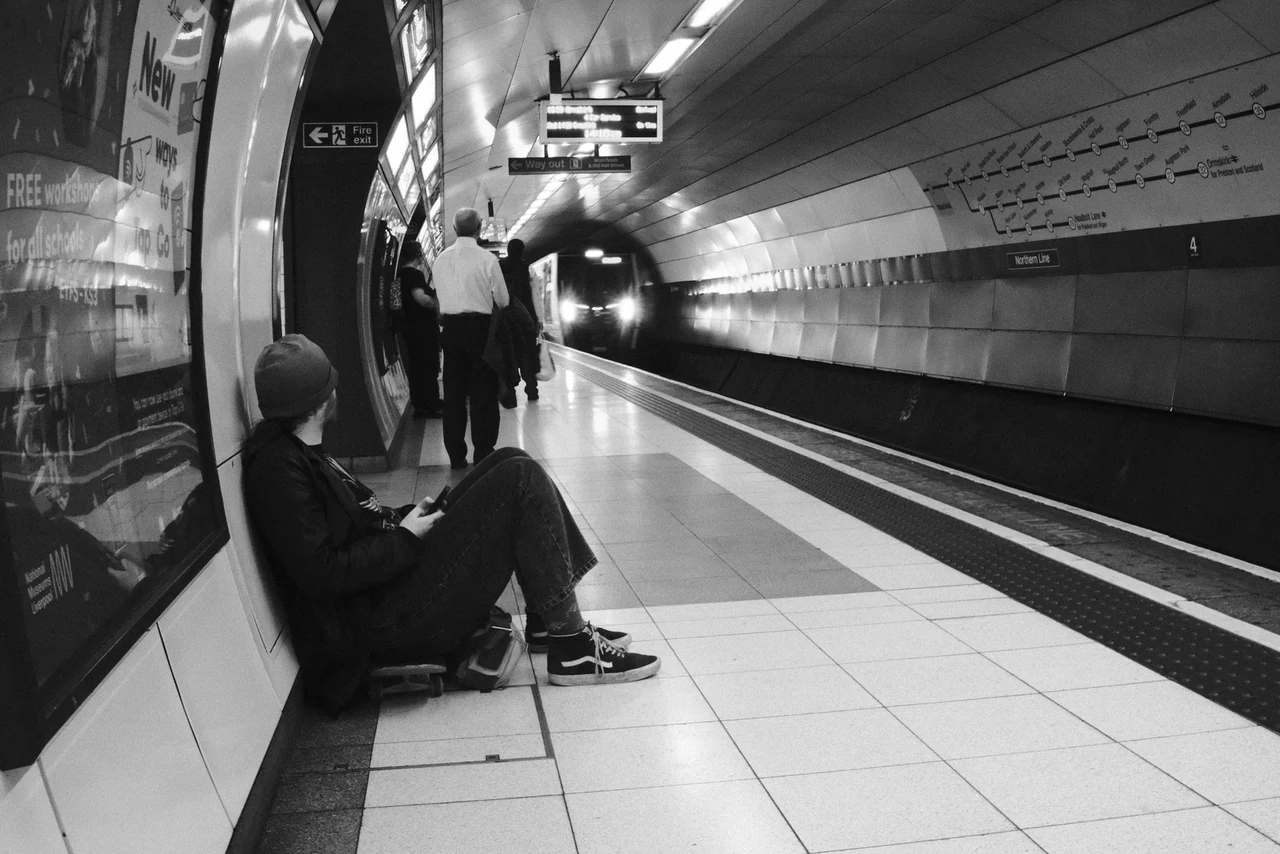
Photograph / Mark C Grant
Lesson 08 / Two walks + an edit the following day
Complete a coherent six-picture sequence with accurate captions and a useful self-critique.
Open lesson 08 ↗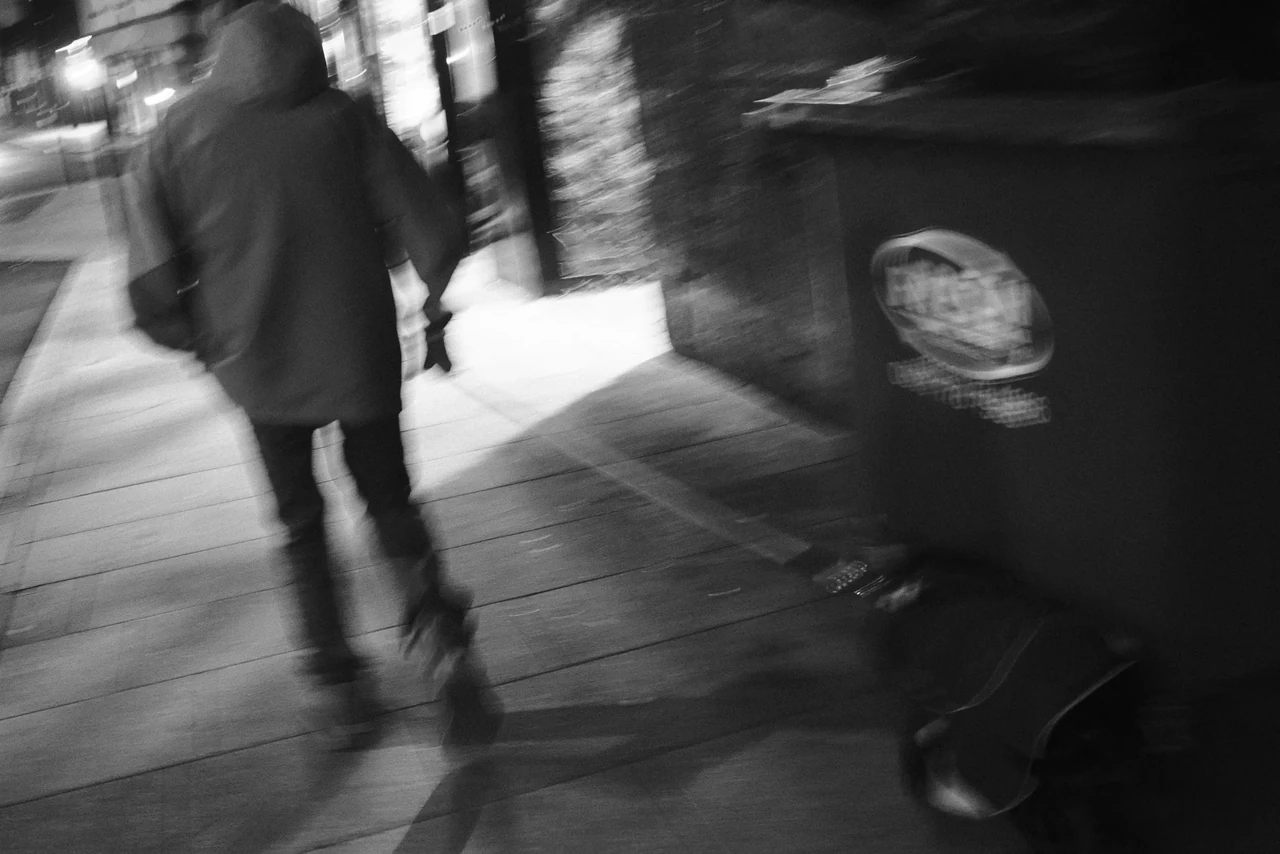
Photograph / Mark C Grant
Journal
Film simulations, in-camera JPEGs and a twelve-frame challenge. A small rebellion against correcting the life out of everything.
Read the piece : 12 moments of truth. Load a look. Leave the photograph alone.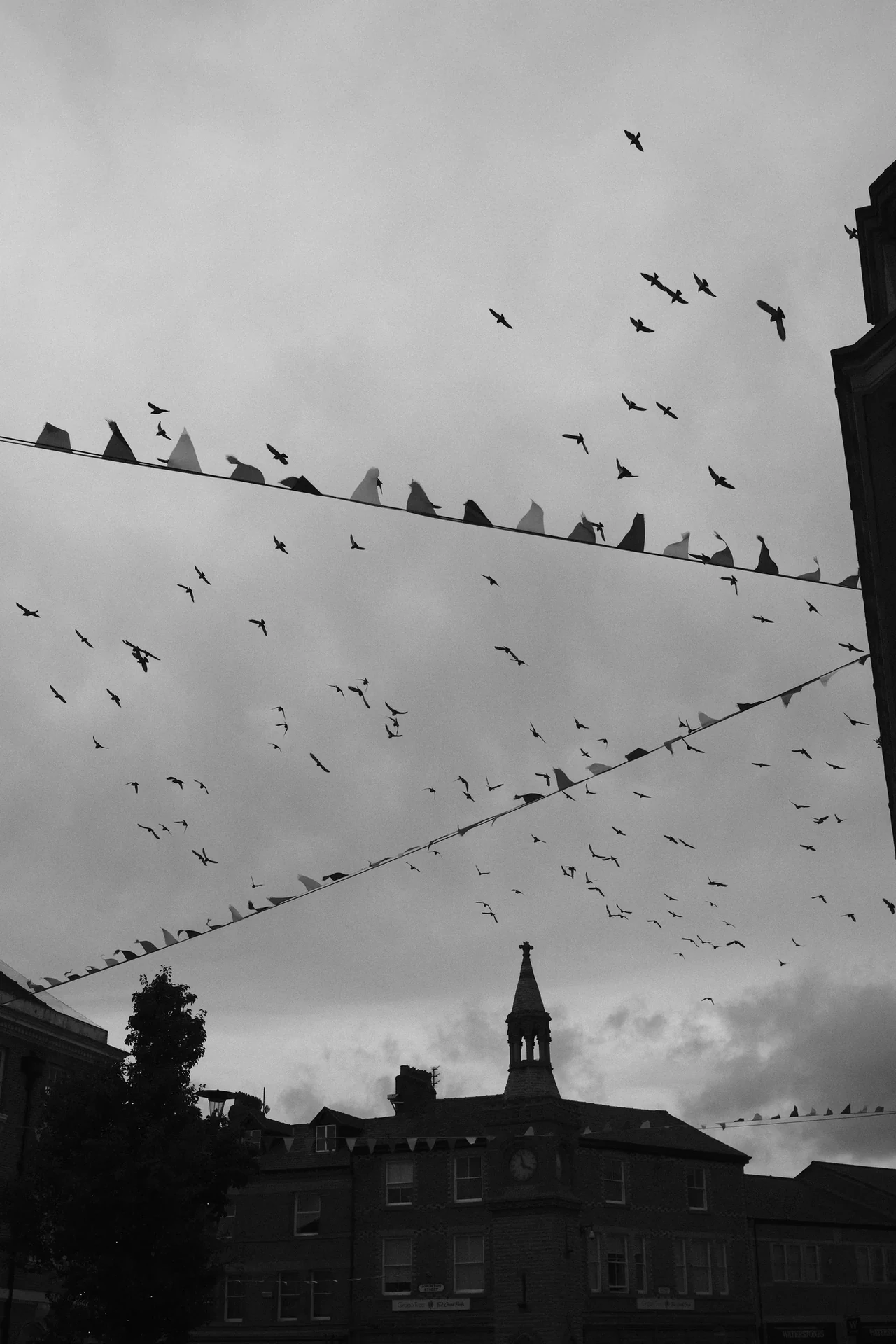
Photograph / Mark C Grant
Journal
From Mark C Grant’s paper to the street: Japanese starting points, useful accidents, active spaces and the part of a picture that belongs to its viewer.
Read the piece : The art of art. Leave room for the photograph.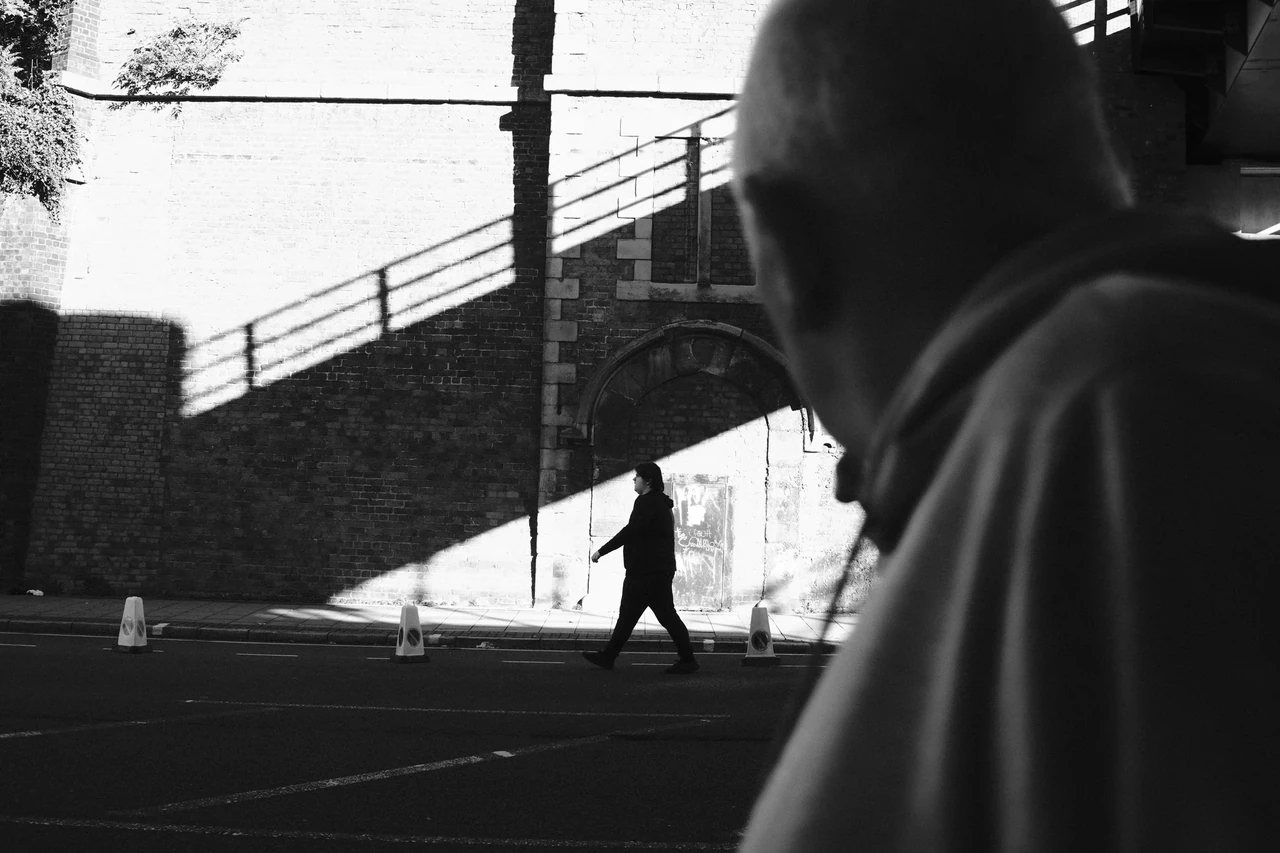
Photograph / Mark C Grant
Journal
How photographers choose, why the misses deserve to survive, and a practical edit that starts with everything you made.
Read the piece : Contact sheets. The frame before the famous one.Photograph / Mark C Grant
Journal
A credited monochrome recipe, the settings behind its bite, and a twelve-frame walk that asks for more than heavy grain.
Read the piece : A Moriyama-inspired Fujifilm recipe. Give the street some teeth.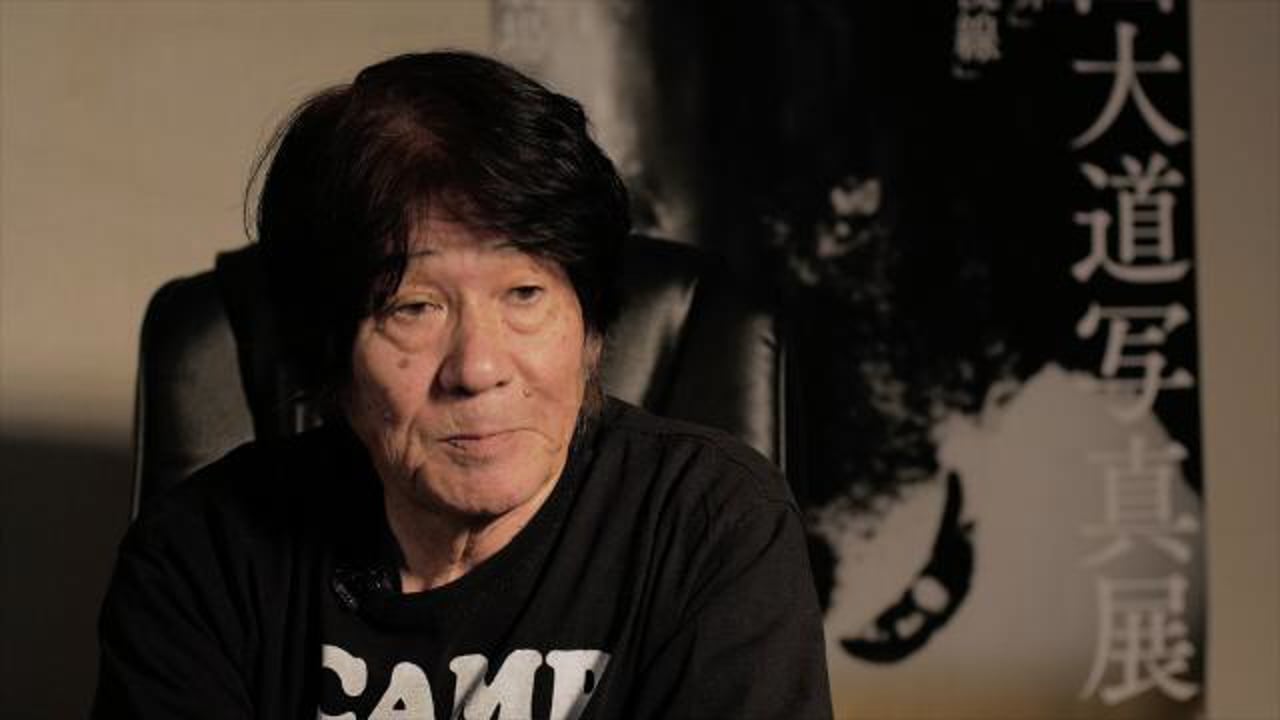
Film preview / SFMOMA
Journal
Misawa, 1971: a dog looks back. How one encounter became an alter ego, and why the picture still has teeth.
Read the piece : Stray Dog. The photograph that became Moriyama.Photograph / Mark C Grant
Journal
Three magazines unsettled Japanese photography. Their questions still bite when a phone can tidy the shadows and a prompt can invent the street.
Read the piece : Provoke, then and now. The picture that will not settle.Photograph / Mark C Grant
Journal
The street is a shared place, full of moments we cannot order. Photography gives us a way to pay attention—and a responsibility for what we make of people.
Read the piece : Someone was there. Street photography in the age of AI.