Film / Time / Sequence
Varda: let the walk change the picture.
Cléo from 5 to 7 offers a way to think about time, attention and a city sequence. Six photographs can travel without pretending to be six movie stills.
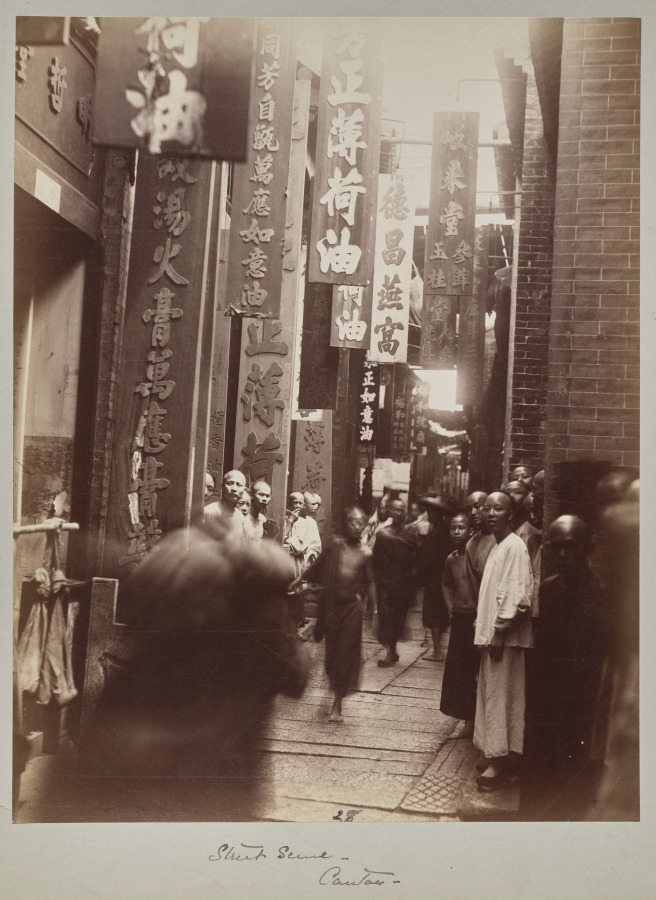
The Cleveland Museum of Art, Gift of Michael F. Resch, 2022.341 · CC0 1.0 · Collection record ↗
A city experienced in time
Agnès Varda’s Cléo from 5 to 7 (1962) follows a singer, played by Corinne Marchand, through Paris while she waits for medical test results. Criterion describes the film through that experience of passing time and uncertain attention. The city is more than scenery behind a plot; streets, encounters and intervals help make the experience of the walk.
Our photographic question is smaller and practical: can a sequence let the way of looking change? A set of six equally dramatic frames may be exhausting. A detail, a pause or an apparently uneventful distance can give the stronger picture somewhere to arrive. The film is the starting point for this exercise, not a template to copy shot for shot.
A photograph has its own duration
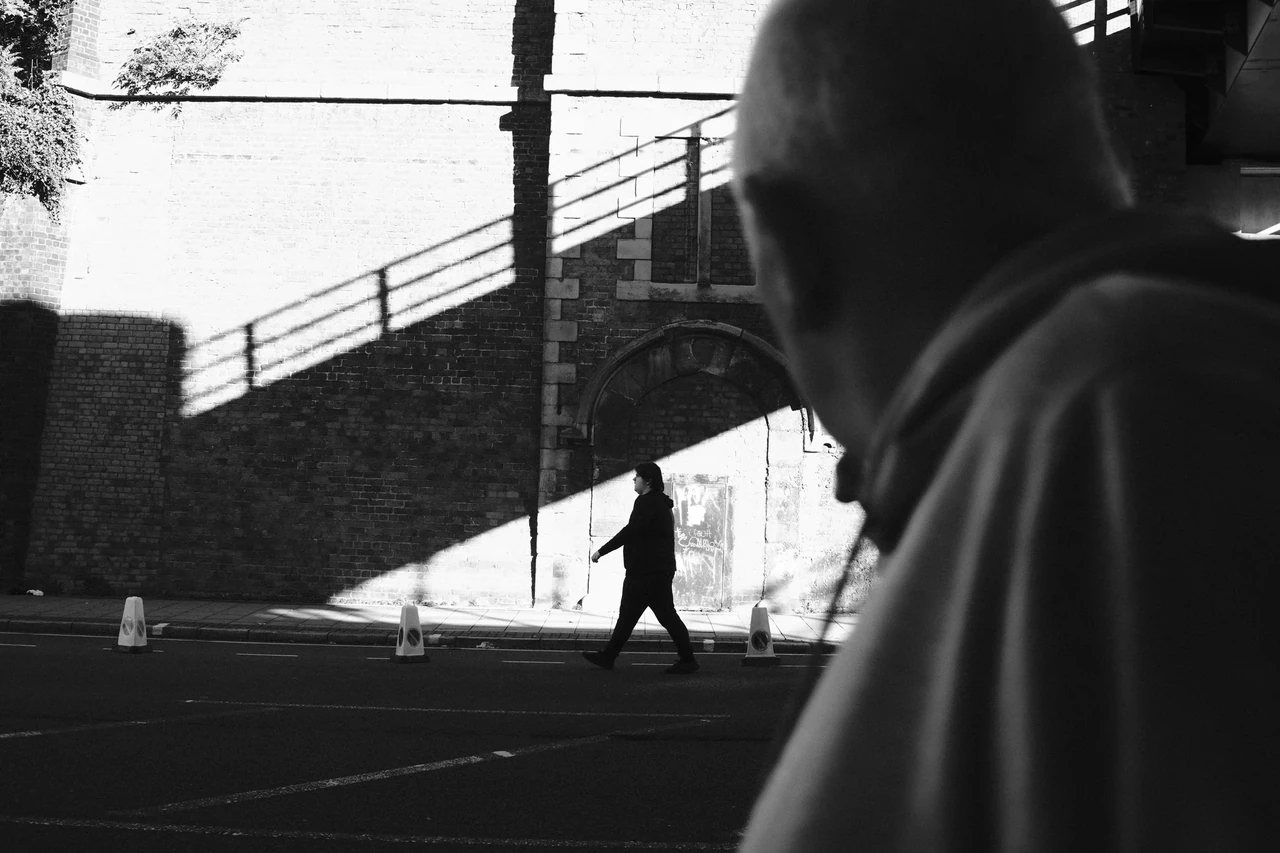
The Lai Fong photograph above is an editorial companion, not a frame from Varda’s film. The blurred body in front and the clearer figures beside the shops hold different experiences of time in one exposure. Mark’s photograph below is another practice comparison. Look for what gives each image movement even when the page itself is still.
Film can join shots to control duration. A photographic sequence leaves more control with the viewer, who may linger, return or skip. You can still shape attention through order, size and repetition. Try placing a crowded frame after an empty one. Then reverse them. The change is not in the recorded events; it is in the journey you have arranged between them.
A contemporary practice example, by Mark C Grant. An editorial comparison, not a work by the artist discussed.
Use the walk as a constraint
Choose a route short enough to walk twice. During the first pass, record what attracts you immediately. During the second, look for what your first selection excluded: spaces between people, service entrances, waiting, a small recurring shape. This is not a demand to photograph strangers more aggressively. It is a way to examine your own habits of attention.
Do not make another person’s distress your plot device. You can build a sequence around light, public movement and your changing position. If somebody participates in a portrait, make that collaboration clear. A sustained encounter usually gives more to think about than a dramatic caption added after a distant glance.
Build six pictures with breathing space
On the contact sheet, mark an arrival, an interruption, a close detail, a wider view, a pause and a departure. These are editing roles, not six mandatory subjects. One photograph might serve two roles, or resist the scheme entirely. Use the structure until it starts dictating pictures you have not actually made, then loosen it.
Watch the BFI interview with Varda below to hear her discuss her practice in her own voice. The linked Criterion page provides the film’s particulars and further viewing. We are not reproducing unlicensed film stills or claiming that a museum interview replaces watching the film. The photographs here give us visible material for our own comparison—and something concrete to try after the credits.
Varda’s BFI interview and Tate’s William Klein film offer two artists’ accounts across photography and cinema. Compare their ways of organising attention; do not collapse them into one “cinematic” style.
Watch, then try
Agnès Varda: Filmmaker, photographer, Instagrammer | BFI

Listen for what carries across photography, film and a small screen. Make a five-frame account of one short walk: an opening, a detail, an encounter, a change and a departure.
Watch, then try
William Klein: In Pictures

Look for how the book and the street change each other. After watching, place six of your own photographs in two different orders and describe the difference without using the word cinematic.
Sources & further looking
- Criterion: Cléo from 5 to 7, film details and viewing ↗
- Lai Fong: collection photograph used for comparison ↗
Sources checked 2026-10-23. Visual readings and proposed connections are our editorial interpretation.
Bring another connection.
Name the work and the detail. “It has a vibe” can be the beginning; it cannot be the whole argument.
Discuss art & influence ↗