Three issues, a long argument
Provoke began in Japan in 1968, founded by photographers Takuma Nakahira and Yutaka Takanashi, critic Kōji Taki and writer Takahiko Okada. Daidō Moriyama joined with the second issue. That distinction matters: the name has become so attached to Moriyama that the other people can disappear from the story. It was a collective argument, carried in a magazine, rather than one photographer handing down a recipe for gritty pictures.
Only three issues appeared, in 1968–69. MoMA describes their challenge to the commercial visual language of postwar Japan; the Art Institute of Chicago explains the group’s investigation of what photographs could communicate beyond established language. The translated subtitle, “Provocative documents for the sake of thought”, gives a better starting point than any preset. Photographs were materials to think with. You were not simply meant to admire how attractively wrecked they looked.
The scale is worth remembering. A small publication could carry a serious disagreement about how the world was pictured. It did not need to resemble a complete media empire. Three issues also left less opportunity for a newsletter asking whether you had considered upgrading.
The foreground interrupts
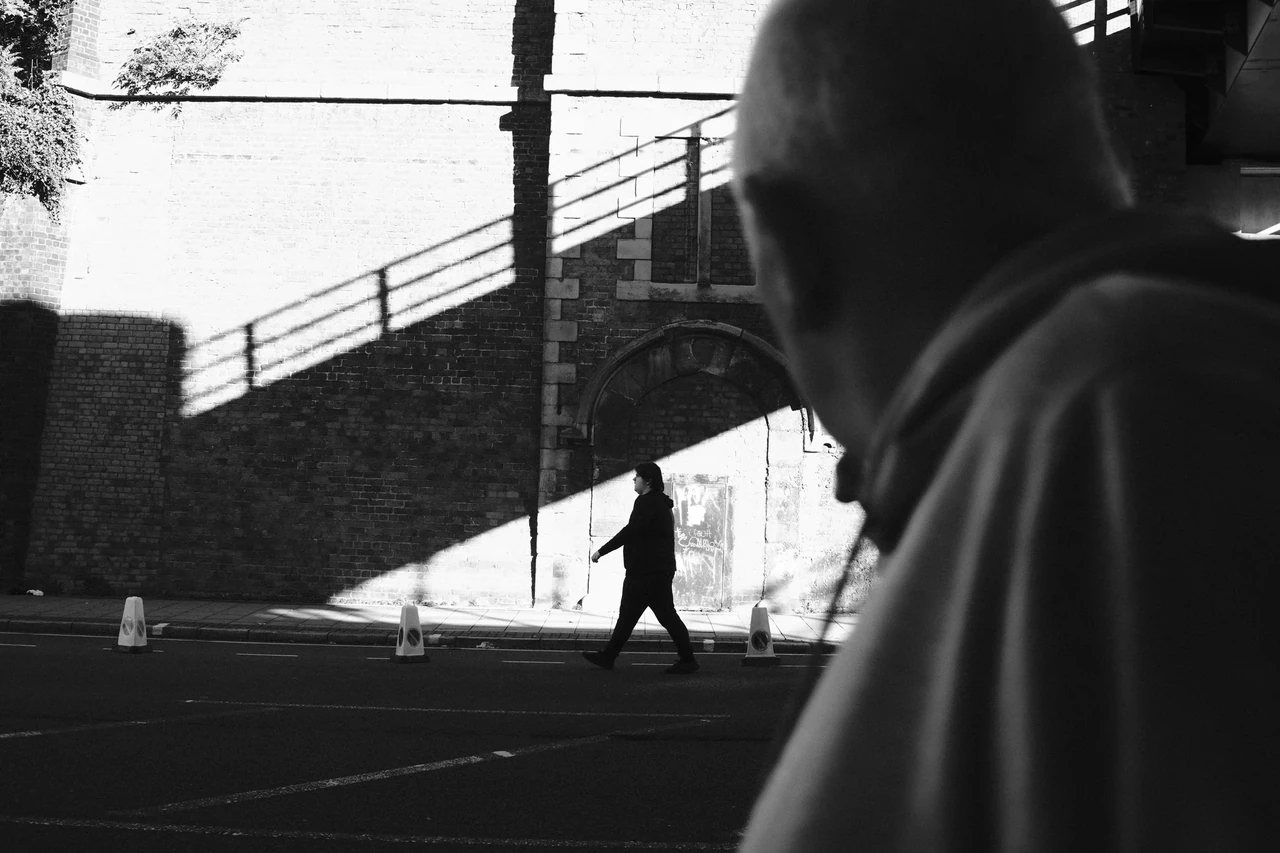
A large, partly cut-off passer-by occupies the near edge while a smaller figure crosses the bright wedge beyond. Your eye has to negotiate two distances. The interruption makes the view feel occupied. Cover the foreground briefly and notice how much tidier—and less layered—the picture becomes.
Passing through the Frame · Photograph © Mark C GrantWhat was being disturbed?
LE BAL’s historical exhibition placed Provoke within the political disillusionment, protest and artistic experimentation of 1960s Japan. Its account connects photographic fragmentation with a distrust of settled explanations. The group’s pictures need that context. Turning them into a universal mood of “urban alienation” can erase the place and arguments that produced them. Tokyo in 1968 was not a convenient backdrop for our current camera preferences.
The familiar phrase are, bure, boke describes rough or grainy, blurred and out-of-focus qualities. As the Art Institute’s archive explains, print production and camera handling both contributed. The disturbance ran through the making and reading of the image. In our reading, a photograph that withholds easy identification asks something of its viewer: keep looking; tolerate uncertainty; consider that your first explanation may be too comfortable.
That is different from declaring every missed focus revolutionary. An accident can become useful when a photographer recognises what it does. It can also remain an accident. Calling a photograph difficult does not release it from having to hold someone’s attention.
A frame full of things looking back
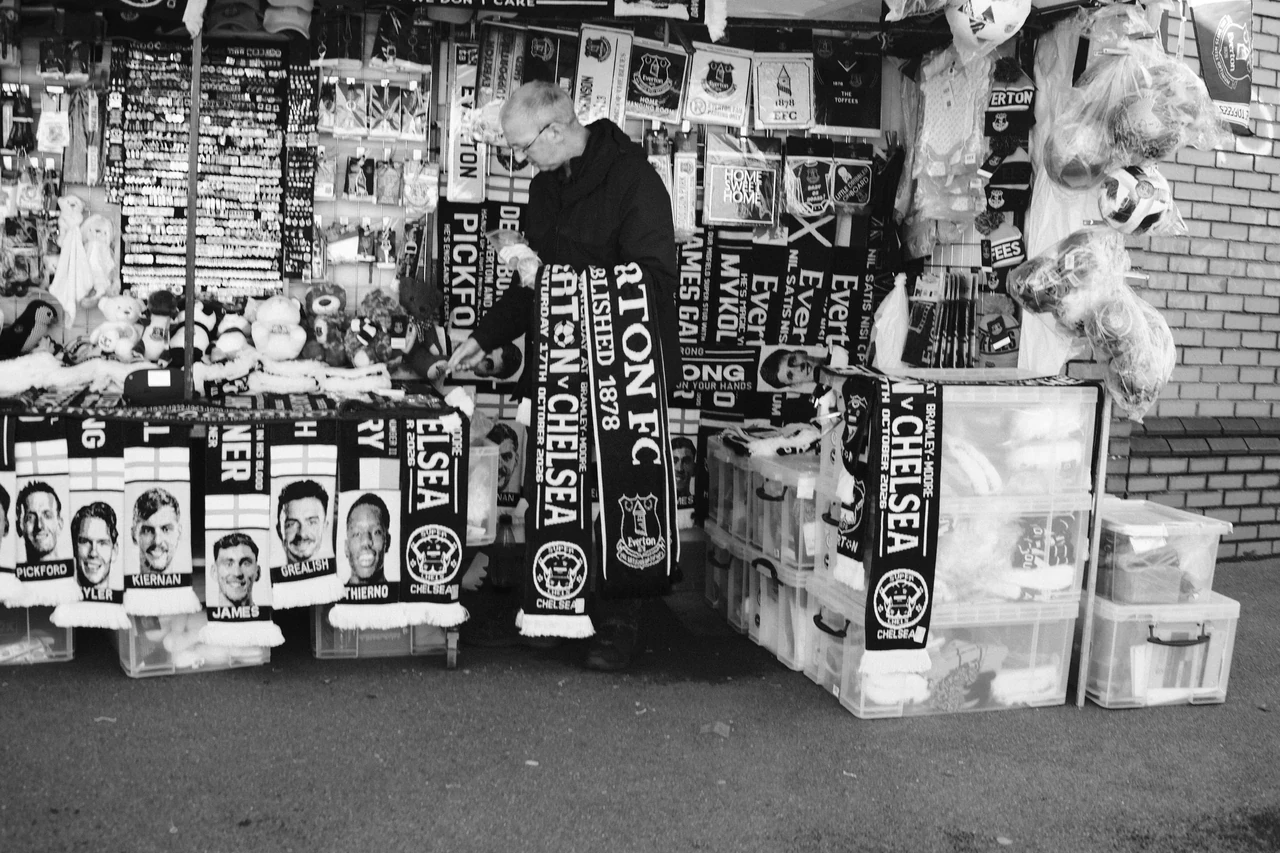
Printed faces and repeated scarves pack the stall with competing points of attention. Rather than searching for a single isolated subject, follow the repetition. Where does one face break the pattern? Dense pictures need relationships too; they just refuse to give you an empty wall as a favour.
Scarves and Faces · Photograph © Mark C GrantWatch, then try
Provoke: Between Protest and Performance Exhibition Catalogue
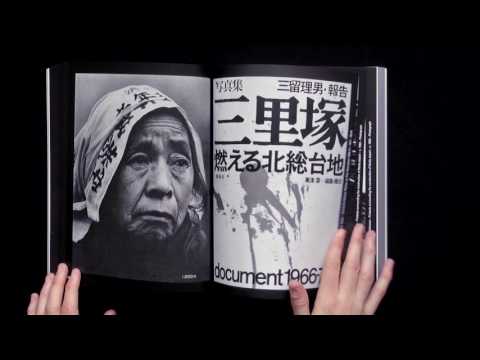
Watch the catalogue as a sequence, not a bag of gritty effects. Notice page turns, scale and competing images; read the accompanying history before treating blur as the whole argument.
Read the spread, then look at your own street
The Smithsonian’s digitised Provoke volume is a useful place to look at pages rather than isolated trophies. Compare one spread with the next: the relative size of pictures, the interruption of text, the change between recognisable subject and unstable surface. LE BAL emphasises sequence, juxtaposition and repetition in its account. A magazine has a pace. A single famous image cannot give you all of it.
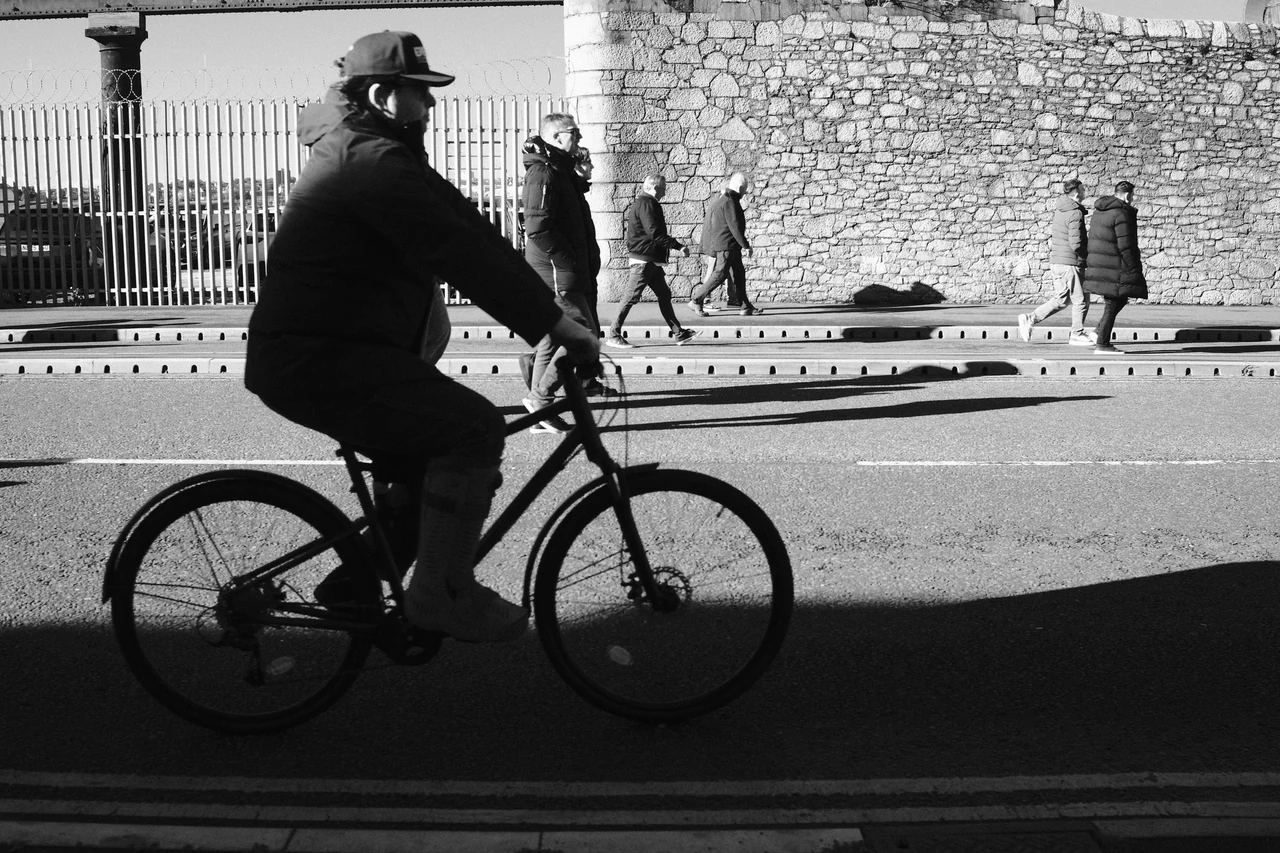
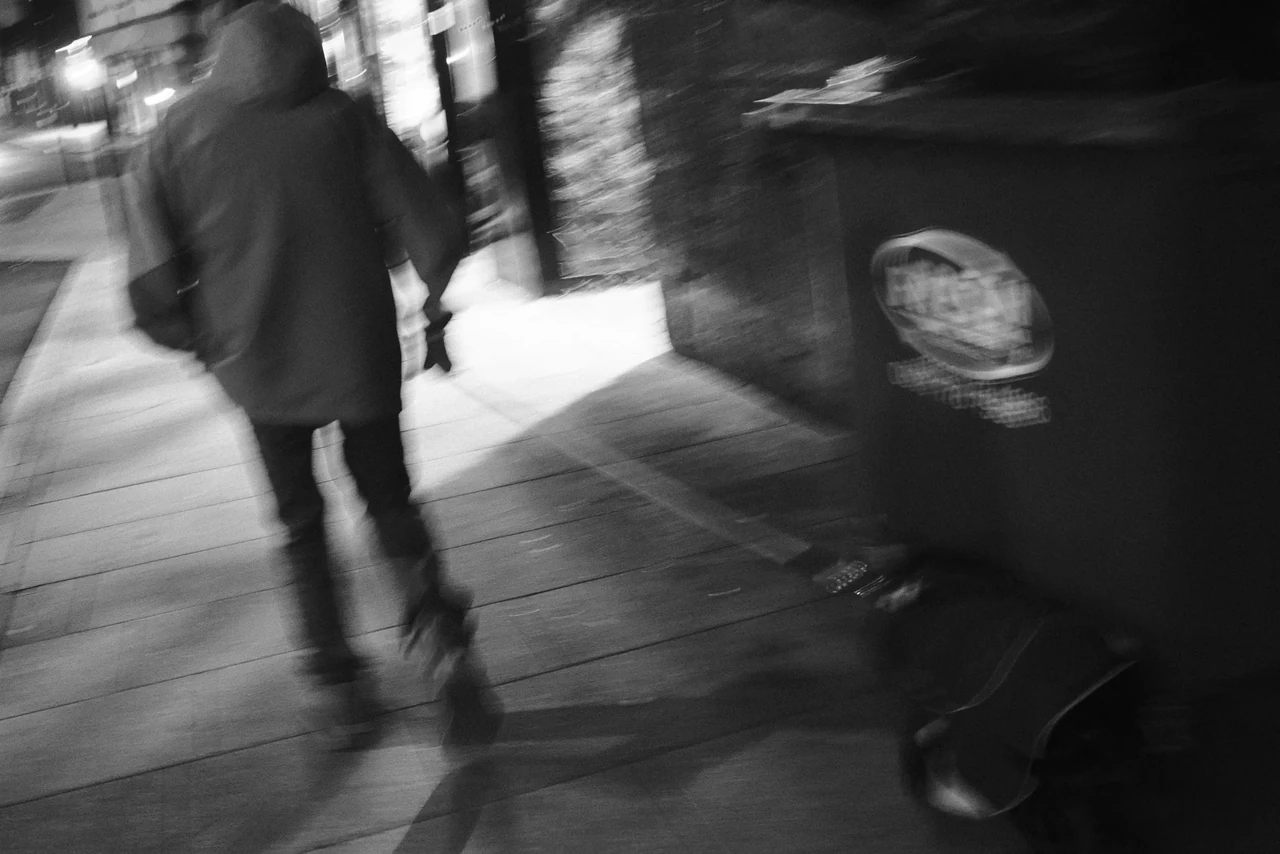
Now return to the photographs on this page. These are Mark C Grant’s contemporary pictures, not works by the Provoke photographers or evidence of their historical methods. In Passing in a Blur, follow the moving body against the more fixed surroundings. In Passing through the Frame, inspect the foreground interruption. Ask what each photograph permits you to recognise and what it leaves unresolved.
This is a practical response to an influence. Copying the grain would be easier. Comparing how a frame handles incomplete information gives you something to take outside, where the street will supply its own difficulties without an art director.
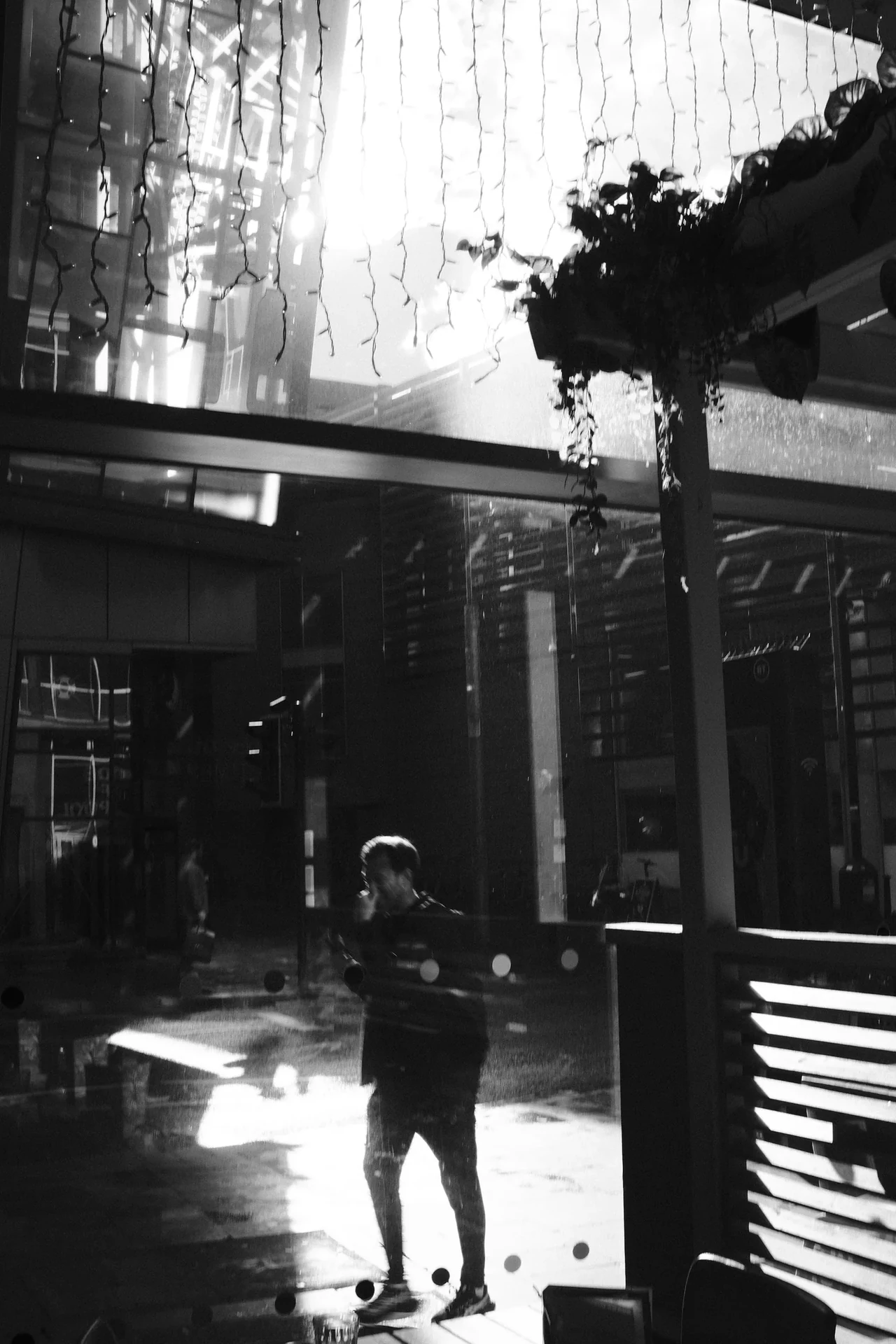
Look through the shade
The shaded frontage creates a near layer; the brighter pavement and figure create another beyond it. The contrast invites the eye outward. Notice how the surrounding darkness frames the light without needing to disappear entirely. Keep enough of that structure to understand where you are looking from.
Light outside the Cafe · Photograph © Mark C GrantThe clever camera and the useful shadow
Computational photography has made pictures possible in awkward light. Google’s published HDR+ research describes capturing, aligning and merging several frames to reduce noise and increase dynamic range. That pipeline is anchored in camera exposures of a scene. It should not be confused with generating an entire scene from a description. Nor does every computational operation use machine learning: “AI” is too broad a label to explain what happened.
The editorial question is what we want that capability to do. A clean shadow can reveal a gesture you would otherwise lose. It can also reveal every unhelpful bin behind it. Precise digital capture offers choice; it does not choose emphasis for you. Decide which information supports the picture before lifting every dark patch into daylight.
A phone photograph can be attentive, surprising and grounded in a real encounter. A costly rangefinder photograph can be entirely routine. Provoke’s questions are more demanding than a ranking of camera bodies: whose idea of a successful picture are you accepting, and what does that idea leave out?
When the person was never there
Generative tools introduce a further distinction. Adobe documents tools that create images from prompts and add or replace objects within existing pictures. A wholly generated street scene may look photographic, but it does not record the depicted encounter happening before a camera. An exposure with a generated passer-by added is a composite. The imagined person cannot become a witness just by acquiring convincing film grain.
There is room for invented images as art, provided their status is clear. The problem arises when invention borrows the authority of an observed event. Our reading of Provoke does not make that distinction disappear. Questioning a photograph’s claim to completeness is a useful intellectual act; pretending a fabricated event took place is a claim about the world.
A camera exposure is no guarantee of truth either. Framing, staging, cropping, captions and sequencing can mislead without a single generated pixel. Keep originals, disclose substantial interventions and be precise about what the image can establish. Ambiguity within a picture and ambiguity about how it was made are different matters.
Carry the question, not the costume
What Provoke offers us now is permission to examine photographic habits closely, including the habit of rebellion itself. A recognisable rough style can become as predictable as the polished advertising image it once troubled. Our contemporary argument is that an image earns its uncertainty through what it makes us notice, rather than through a mandatory quantity of black ink.
Make a small sequence about something your everyday pictures usually simplify: waiting, crowded thresholds, reflections, the uncomfortable distance between people. Allow different kinds of description. One frame might be sharp and quiet; another interrupted or blurred. Choose by the relationship the pictures create. If everything arrives wearing the same angry overcoat, the sequence may have only one thing to say.
Watch, then try
Artist Daido Moriyama – In Pictures
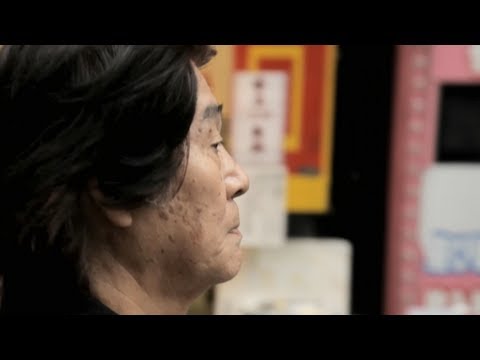
Watch the distance, the decisions and the relationship between photographer and street. Then try one idea on your own walk.
Sources & further looking
Facts checked 22 October 2026. The practical exercises and critical readings are this publication’s editorial interpretation.
- MoMA: For the sake of thought — Provoke, 1968–1970 ↗
- Art Institute of Chicago archive: Case 4 — Provoke ↗
- LE BAL: Provoke — Between Protest and Performance ↗
- Smithsonian National Museum of Asian Art archive: digitised Provoke volume ↗
- Google Research: Burst photography for high dynamic range and low-light imaging on mobile cameras ↗
- Adobe: Generative AI features in Photoshop ↗
Take this to the discussion.
A question, an example, a picture that proves us wrong. Specific beats loud.
Open the conversation ↗